
What Makes an Affordable Hostel a Smart Choice for Budget Travelers
Travel costs can rise quickly once transportation, meals, activities, and accommodation enter the budget. Booking an affordable hostel can help lower lodging expenses while giving you a safe and practical place to sleep.
Many hostels provide private rooms, shared dormitories, kitchens, lounges, lockers, and useful guest services.
Finding the right property still requires careful research. A low nightly price may hide extra fees, an inconvenient location, or poor facilities. You should examine the total cost, recent guest reviews, room setup, security features, and house rules before confirming your stay.
What Is an Affordable Hostel?
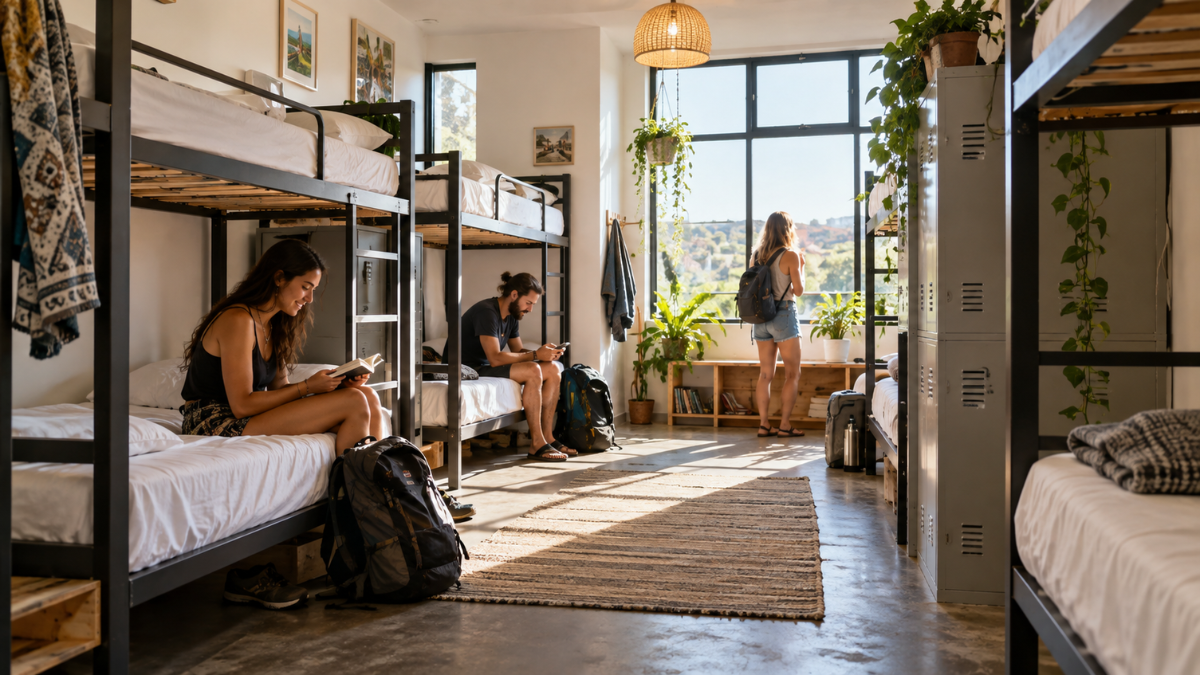
An affordable hostel is budget accommodation that commonly provides dormitory beds and basic shared facilities. Some properties also have private rooms for solo guests, couples, families, or small groups.
Dormitory rooms may contain four, six, eight, or several beds. Larger rooms often have lower rates, while smaller dorms give guests added privacy. Bathrooms may be shared, attached to the room, or reserved for certain guests.
Hostels can include several useful facilities:
- Free Wi-Fi
- Shared kitchen
- Personal storage locker
- Reading light and power outlet
- Common lounge
- Laundry area
- Luggage storage
- Reception desk
- Air conditioning or electric fans
Facilities differ by property, so review the listing carefully before booking.
Why Choose a Hostel for Your Trip?
Hostels help travelers spend less on accommodation. The savings can leave room in your budget for food, transportation, tours, and local activities.
A shared kitchen can lower dining expenses since you can prepare simple meals. Common areas may also make it easier to meet other guests, exchange travel tips, or find companions for group activities.
Private hostel rooms suit travelers who want personal space while retaining access to shared facilities. They may cost less than nearby hotel rooms, especially in popular destinations.
How to Find the Right Affordable Hostel
The cheapest listing may not provide the best value. Use the following factors to compare your options.
Check the Location
A hostel outside the main area may have a low room rate, yet daily transportation costs can erase the savings. Check its distance from public transit, restaurants, convenience stores, and the places you plan to visit.
Look at the surrounding neighborhood, especially if you expect to return late at night. Recent reviews may describe street lighting, noise levels, and access to taxis or public transportation.
Read Recent Guest Reviews
Recent reviews can reveal details that property photos may not show. Pay close attention to comments about cleanliness, staff behavior, bed quality, bathroom conditions, noise, and security.
Do not judge a property through one negative review alone. Repeated complaints about the same issue may signal an ongoing problem.
Compare the Total Booking Price
Some hostels charge extra for towels, luggage storage, breakfast, air conditioning, lockers, or late check-in. Others may collect local taxes or a refundable key deposit upon arrival.
Review the Room Type
Shared dormitories usually have the lowest prices. You may choose among:
- Mixed dormitories
- Female-only dormitories
- Male-only dormitories
- Capsule-style beds
- Private single rooms
- Private twin or double rooms
- Family rooms
Check the number of beds, bathroom arrangement, window availability, and climate control. A smaller dorm may provide a quieter experience than a large dormitory.
Examine Safety Features
Choose a hostel with secure entry, reliable room locks, and personal storage. Lockers should be large enough for your important belongings. Check if you need to bring your own padlock.
A staffed reception desk, security cameras in common areas, and controlled guest access can provide added protection. Fire exits and emergency information should also be clearly marked.
Essential Amenities Worth Checking
Useful amenities can improve your stay and reduce extra spending. Free Wi-Fi matters if you need online maps, booking confirmations, or remote work access. A shared kitchen can help manage meal expenses during a long visit.
Look for a bed with a privacy curtain, reading lamp, shelf, and nearby socket. These small features can make a shared room easier to use. Clean bathrooms, hot water, fresh bedding, and proper ventilation should remain basic priorities.
If you have an early arrival or late departure, luggage storage can save you from carrying bags around the city. Confirm storage hours and any related fee in advance.
How to Save Money on Hostel Bookings
Booking early can help you access lower rates, especially during holidays, festivals, and busy travel periods. Flexible travel dates may also lead to better prices during weekdays or quieter seasons.
Compare rates across booking platforms and the property’s official website. Check cancellation terms before selecting a nonrefundable reservation. A flexible rate may cost slightly extra, yet it can protect your payment when plans change.
Long-stay discounts may be available for weekly bookings. Some properties also include breakfast, drinking water, or free activities, helping reduce daily expenses.
Common Hostel Booking Mistakes
Travelers often focus only on the nightly price. This can lead to unexpected transportation charges, facility fees, or uncomfortable room conditions.
Avoid these common mistakes:
- Booking without reading recent reviews
- Ignoring the property’s check-in hours
- Forgetting to check age restrictions
- Assuming towels and toiletries are free
- Choosing a distant location without checking transport costs
- Failing to review cancellation rules
- Leaving valuables unsecured
- Booking a party hostel when you need quiet accommodation
Hostels have different atmospheres. Some cater to social travelers, while others focus on quiet stays, remote workers, families, or long-term guests. Read the property description and house rules to find a suitable match.
Hostel Safety Tips for Travelers
Keep passports, money, electronics, and travel documents inside a locked compartment. Carry a dependable padlock if the property does not provide one.
Avoid leaving valuables on your bed or inside an unlocked bag. Save digital copies of important documents and keep emergency contact details accessible.
Respect quiet hours and shared-room etiquette. Use headphones, keep personal items within your assigned space, and prepare early departures without disturbing sleeping guests.
What to Pack for a Hostel Stay
A small hostel packing list can make shared accommodation easier:
- Padlock
- Sleep mask
- Earplugs
- Quick-drying towel
- Shower sandals
- Toiletry bag
- Reusable water bottle
- Charging cable
- Portable power bank
- Lightweight laundry bag
Avoid packing bulky items when storage space is limited. Check the hostel listing first, since bedding, towels, hair dryers, and toiletries may already be available.
Are Private Hostel Rooms Worth the Price?
A private room can suit couples, remote workers, light sleepers, and travelers carrying valuable equipment. It gives you personal space while allowing access to the hostel’s kitchen, lounge, and guest services.
Compare the private-room rate with nearby hotels and guesthouses. Check if the bathroom is private or shared. You should also confirm if the quoted rate covers the entire room or each guest.
Plan a Safe and Affordable Hostel Stay
The right affordable hostel can lower travel costs while providing clean facilities, practical amenities, and a convenient base for your trip.
Focus on location, guest feedback, security, total price, and room type before booking.
A careful comparison helps you avoid hidden charges and unsuitable accommodation. Review the details, choose facilities that match your needs, and reserve early when traveling during busy periods.