
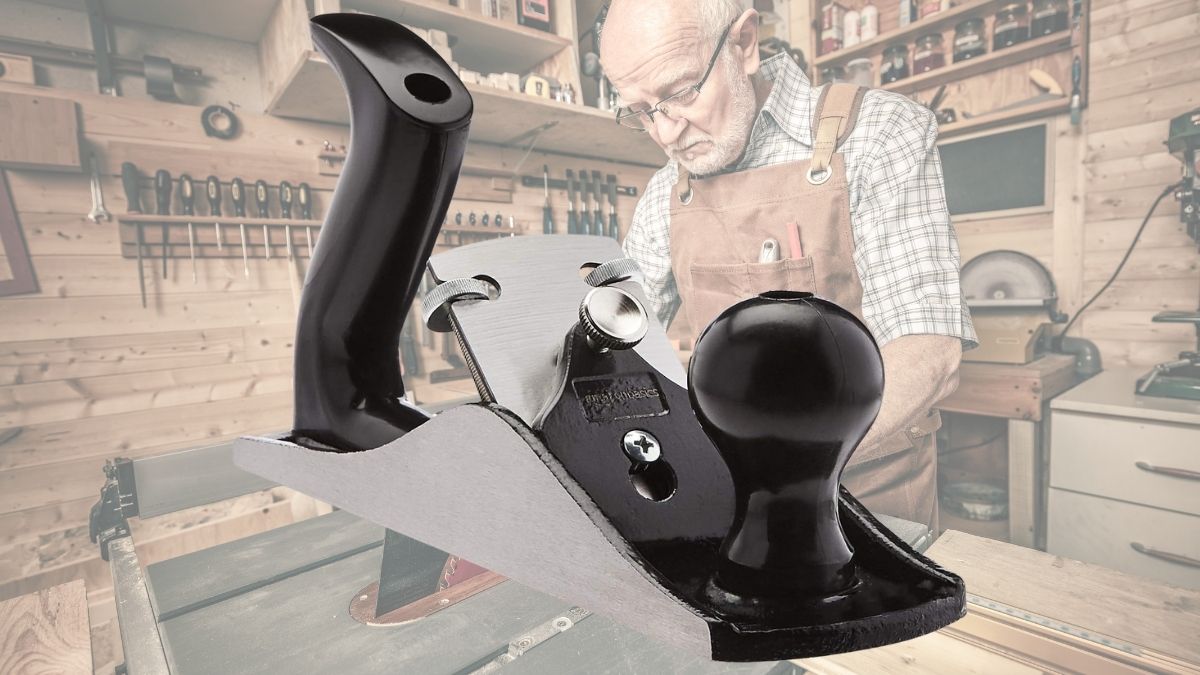
Amazon Basics No.4 Bench Plane: A Budget-Friendly Tool That Works Like a Pro
Woodworking tools can feel like an investment hobby, with premium hand planes easily topping the $100 mark.
But what if you could get professional-quality results without the premium price tag? That’s the question I had when I picked up the Amazon Basics No.4 Adjustable Bench Plane, currently sitting at #1 in its category and priced at just $29.78. With more than 3,500 reviews averaging 4.3 stars, this little workhorse has sparked plenty of curiosity among hobbyists and pros alike.
In this review, I’ll walk you through its build, performance, setup needs, and where it shines (and where it doesn’t). By the end, you’ll know if this is the bench plane that deserves a spot in your workshop.
Solid Build That Feels Reliable
The body of this plane is made from cast iron, weighing in at just over 2.6 pounds. That weight isn’t just for show—it keeps the plane stable as you glide it across wood. Stability is key, especially when working with harder species like oak or maple, where lighter planes can skip or chatter.
At its core sits a 2-inch steel alloy blade. It’s wide enough to handle decent coverage but still narrow enough to maneuver for detail work. Sharpening is straightforward, and while the edge won’t hold forever on tough hardwoods, it performs admirably for the price point.
Designed for Comfort and Control
This No.4 follows standard dimensions—9.8 inches long and 2.5 inches wide—but swaps the traditional wooden handle for an impact-resistant plastic grip.
While wood purists may miss the tactile warmth of traditional handles, the polymer design holds up better in humid shops and offers a steady, no-slip grip during long sessions.
At under three pounds, the plane strikes a nice balance: heavy enough for smooth passes, but light enough to avoid fatigue during extended use.
Adjustment Features That Matter
One of the standout elements of this plane is its adjustment system. You can fine-tune the depth of cut down to thin, whisper-like shavings, or dial it in for heavier cuts when removing more material. There’s also a lateral adjustment lever to keep the blade perfectly square to the sole.
That said, it does need some tinkering out of the box. The factory ships it set for protection, not performance, so expect to spend a little time fine-tuning before your first real project. For beginners, this is actually a bonus—it’s a great introduction to how planes work.
How It Performs in the Shop
On softwoods like pine, this plane glides effortlessly, peeling off consistent curls of wood. Hardwoods like oak and maple need sharper edges and a bit more muscle, but the tool still holds its own.
Even with trickier, interlocked grain, it manages reasonable results, though premium planes with higher-grade steel blades will naturally do better. For long sessions, the handle is serviceable but not luxurious. Larger hands may find it slightly cramped. Still, the balance of weight and grip is good enough to avoid wrist strain, even when working through a stack of boards.
The blade holds its sharpness well enough on softwoods, but you’ll need to refresh the edge more often if you’re tackling dense hardwoods. That’s the trade-off for a budget-friendly tool.
Getting the Best Out of It
To make the most of this plane, a little setup and care go a long way:
- Initial adjustment: Check blade projection and alignment before your first pass.
- Sharpen regularly: Touch up the blade on a fine stone and strop to keep edges crisp.
- Check the sole: If you’re planning on fine finishing, flatten the sole with sandpaper on a flat surface for optimal results.
- Protect from rust: A light coat of paste wax after use keeps the cast iron body in good shape.
These extra steps elevate the plane’s performance from “good” to “impressively good” for its price.
Why It’s Worth Considering
At just $29.78, this plane delivers functionality you’d usually expect from tools in the $50–$120 range. The compromises—like slightly less refined machining and more frequent blade touch-ups—don’t take much away from real-world performance for most users.
For beginners, it’s an affordable way to learn hand planing without overspending. For intermediate woodworkers, it’s a solid everyday option. And for professionals, it works well as a backup or roughing tool that won’t make you wince if it takes a beating.
A Reliable Companion for the Workshop
After putting the Amazon Basics No.4 Adjustable Bench Plane through its paces, I’d call it a hidden gem in budget woodworking tools.
It doesn’t pretend to be a boutique, heirloom-quality plane—but it doesn’t have to. It’s dependable, versatile, and affordable enough to make hand planing accessible to more people.
If you’re building your first tool collection, or just want a reliable plane without the premium price, this one is hard to beat. You can grab the Amazon Basics No.4 Adjustable Bench Plane directly on Amazon, and while you’re there, check out other Amazon Basics woodworking tools—they offer great value for outfitting your shop without draining your wallet.