
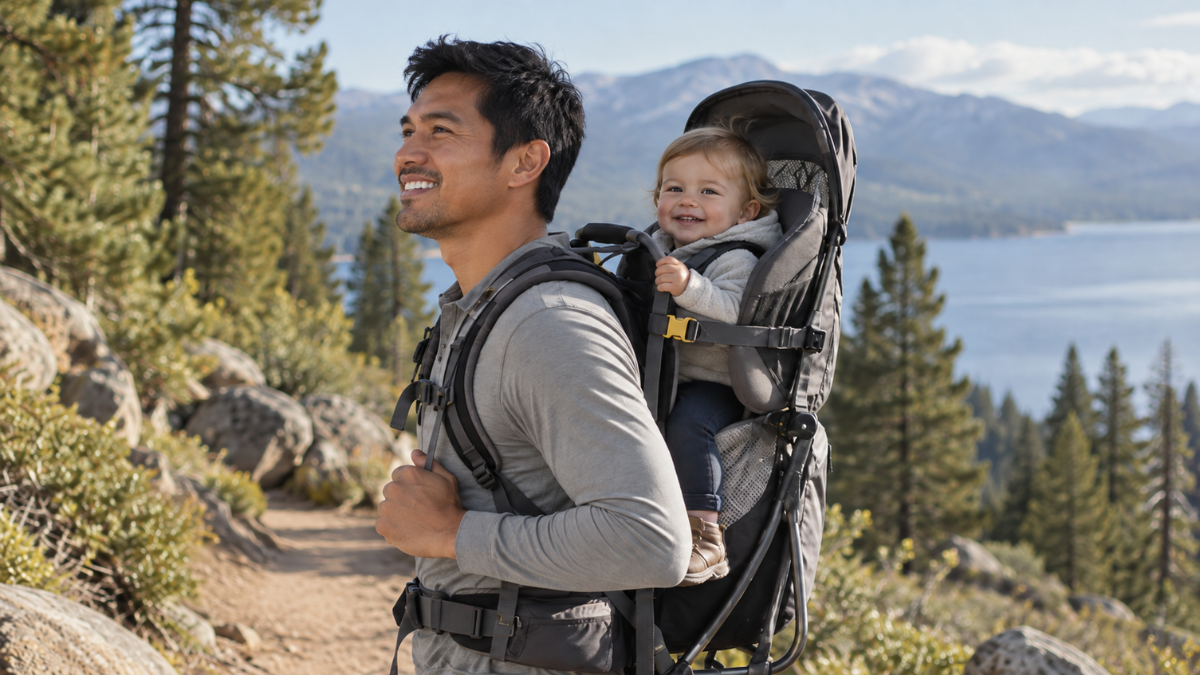
How a Backpack Carrier for Toddlers Supports Comfortable Outdoor Family Trips
A backpack carrier for toddlers can help you enjoy hikes, park visits, festivals, and sightseeing trips when little legs need a break. Unlike a soft baby carrier, this structured carrier usually has a supportive frame, padded straps, an elevated child seat, and storage for daily supplies.
The right design distributes weight across your shoulders, back, and hips while keeping your child secure and comfortable.
Choosing a carrier requires close attention to fit, weight limits, safety features, and daily usability. A carrier that suits your body and your child’s size can make longer outings easier.
What Is a Backpack Carrier for Toddlers?
A toddler backpack carrier is a framed child carrier worn on your back. It is designed for children who can sit upright without assistance and have strong, steady head and neck control.
Many models include an adjustable child seat, padded harness, sunshade, footrests, storage pockets, and a folding stand.
Always follow the manufacturer’s age, height, and weight requirements. Development differs among children, so physical readiness matters alongside age. If you are uncertain about your child’s readiness, ask your pediatrician before use.
Why Parents Use Toddler Backpack Carriers
Toddlers often want to walk, yet they can tire quickly during long outings. A carrier gives your child a safe place to rest while allowing you to keep moving. It can be helpful on trails, crowded attractions, stairs, and paths that are unsuitable for strollers.
An elevated seat may also give your child a clear view of the surroundings. Built-in pockets can hold diapers, wipes, snacks, water, and spare clothes, reducing the need for a second bag.
Features to Check Before Buying
Adjustable Adult Fit
Look for an adjustable torso system, padded shoulder straps, and a supportive hip belt. The hip belt should carry much of the load instead of placing all the pressure on your shoulders. If two adults will share the carrier, select a model that can be adjusted quickly.
Secure Child Harness
A padded harness should hold your toddler securely without rubbing the neck or restricting movement. Check for adjustable shoulder straps, side support, and a secure fastening system that a child cannot easily release.
Supportive Child Seat
The seat should support a natural sitting position. Adjustable seat height helps keep your child’s head at a safe level and places the legs comfortably. Footrests may reduce dangling and help support the hips and legs on longer trips.
Stable Loading Stand
A sturdy stand keeps the carrier upright while you place your child inside or lift the carrier onto your back. Test the stand on a flat surface and check that it locks or opens firmly. Never leave a child unattended in a carrier, even when the stand is open.
Sun and Weather Protection
A built-in or removable sunshade can protect your toddler from direct sunlight. Some carriers accept rain covers, yet airflow must remain clear. Add child-safe sunscreen, suitable clothing, and a hat based on the weather.
Storage Capacity
Think about the length of your usual outings. Small pockets may suit quick errands, while a large lower compartment can hold diapers, food, and clothing for a day trip. Easy-access hip-belt pockets are useful for keys, a phone, or small snacks.
Carrier Weight
A lighter frame reduces your total load, though comfort and support should remain the priority. Add the carrier’s weight, your child’s weight, and the weight of packed supplies to estimate what you will carry.
How to Get the Right Fit
Adjust the carrier before placing your child inside. Set the torso length so the hip belt rests securely around the top of your hips.
Tighten the shoulder straps until the carrier sits close to your body, then adjust the load-lifter and chest straps according to the instruction manual.
Place your toddler in the seat and fasten every required closure. Adjust the seat and harness so your child sits upright and securely. Check that the face remains visible, the airway stays clear, and no strap presses against the neck.
Once the carrier is on your back, your posture should feel balanced. Pain, numbness, swaying, or strong pressure in one area may signal a poor adjustment or excess weight.
Safety Tips for Every Outing
- Read the manufacturer’s manual before the first use.
- Stay within all child and total-load limits.
- Inspect closures, straps, seams, frame joints, and the stand before each trip.
- Ask another adult to help during loading until you can perform it safely.
- Keep your child secured whenever they are seated in the carrier.
- Use extra care near branches, door frames, uneven ground, stairs, and low ceilings.
- Avoid running, cycling, climbing, skiing, and other high-impact activities while carrying a child.
- Check your toddler regularly for comfort, temperature, sun exposure, and hydration.
- Take regular breaks so your child can change position and move their legs.
- Place the carrier only on stable, level ground and stay beside it.
Your balance changes with a child on your back. Bend at your knees when picking up an item, move slowly on uneven paths, and avoid leaning sharply.
Framed Carrier Versus Soft Carrier
A framed backpack carrier is generally suited to outdoor trips and longer periods of carrying an older baby or toddler. It often includes ventilation, storage, weather accessories, and a stable seat.
The frame adds bulk and weight, so it may be less convenient in tight indoor spaces.
A soft structured carrier is compact and easier to pack. It may work well for errands, travel, or shorter walks. Its storage and sun protection are often limited. Your child’s size, physical readiness, planned activity, and your comfort should guide the choice.
Useful Accessories to Pack
A few practical items can improve the outing:
- A fitted sunshade or rain cover approved for your carrier
- A washable drool pad or chin pad
- Water for both adult and child
- Snacks stored in sealed containers
- Diapers, wipes, and a changing mat
- Weather-appropriate layers
- A compact first-aid kit
- A small toy attached according to the carrier instructions
Avoid hanging heavy items from the frame. Uneven weight can affect balance and make the carrier harder to control.
Cleaning and Storage
Wipe the seat, frame, and straps after muddy or sweaty trips. Follow the care label for removable fabric parts, since some components may require hand washing. Let every section dry fully before storage to prevent odors and mildew.
Store the carrier in a dry area away from direct heat. Before the next outing, inspect the fabric, closures, straps, and frame for damage. Contact the manufacturer if a part needs replacement, and avoid homemade repairs on load-bearing components.
Preparing for Comfortable Adventures With Your Toddler
The best backpack carrier for toddlers should fit your body, support your child correctly, and suit your usual activities.
Focus on a secure harness, adjustable adult suspension, stable loading stand, comfortable child seat, and suitable storage. Check the stated limits and test the fit with realistic weight when possible.
A well-fitted carrier can support enjoyable family outings while giving tired toddlers a secure place to ride. Careful adjustment, routine inspections, and sensible packing will help you use it with confidence from the first outing onward.