
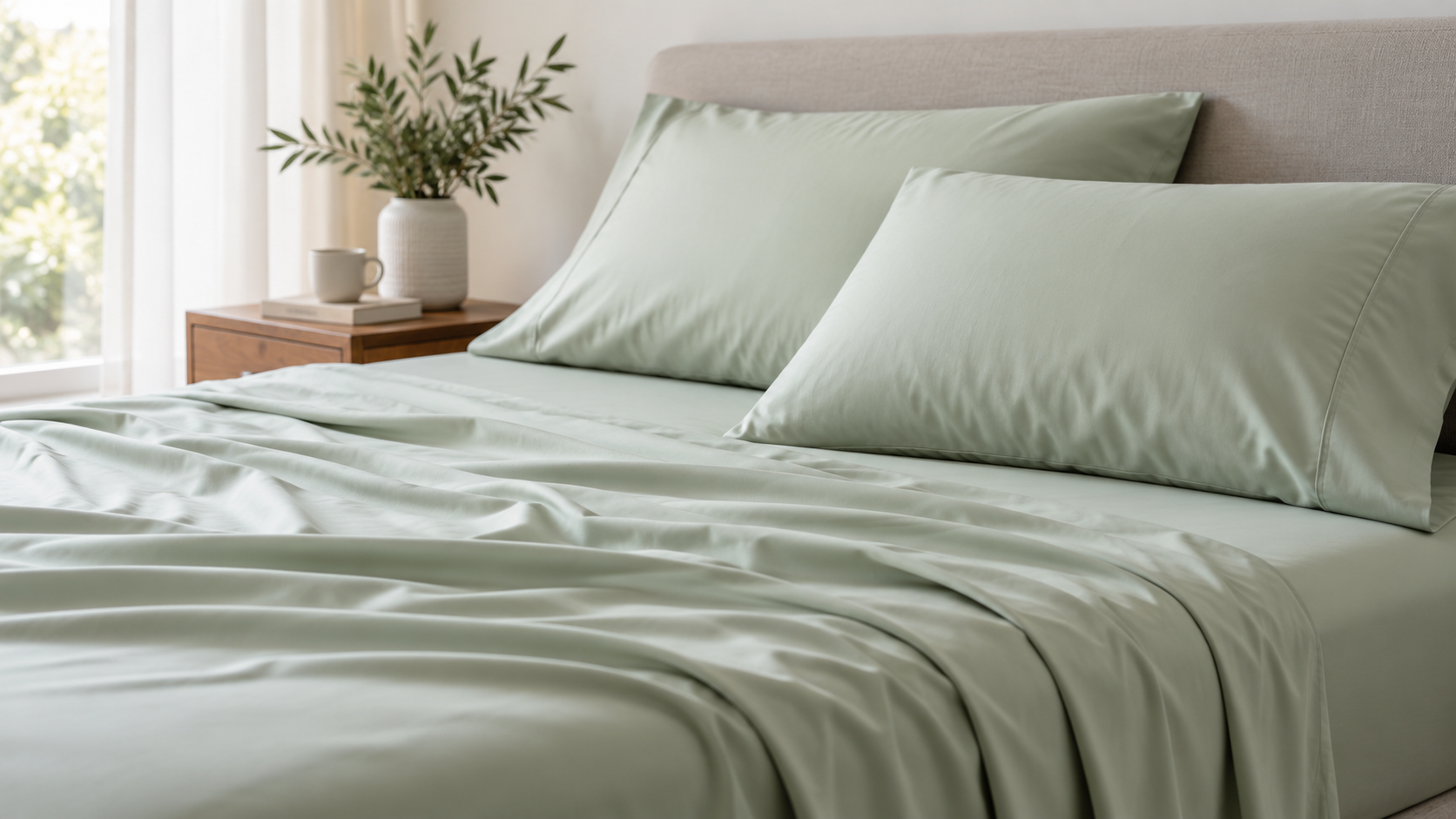
How Bamboo Sheets Can Help Create a Cooler More Comfortable Sleep Space
Bamboo sheets have become a popular option for people looking for soft, breathable, and lightweight bedding that works well across different seasons.
Their smooth texture and moisture-managing qualities may help create a cooler and more comfortable sleeping environment.
When shopping for new sheets, it helps to understand how bamboo fabric is made, what features to compare, and how to care for it properly.
From fabric blends and weave types to thread count and certifications, several details can affect how bamboo bedding feels and performs over time.
What Are Bamboo Sheets?
Bamboo sheets are bedding products made from fibers derived from bamboo plants. Most bamboo-based fabrics are produced by processing bamboo pulp into regenerated cellulose fibers such as viscose, rayon, or lyocell.
Although the raw material begins with bamboo, the manufacturing method influences the texture, durability, environmental impact, and overall quality of the finished fabric.
Common bamboo fabric types include:
- Bamboo viscose
- Bamboo rayon
- Bamboo lyocell
- Bamboo-cotton blends
Each option may feel slightly different, so reviewing the fabric label can help you understand what you are purchasing.
Why Are Bamboo Sheets Popular?
One of the biggest reasons people choose bamboo bedding is its soft texture. High-quality bamboo fabric often feels smooth and silky against the skin without necessarily having the slippery feel associated with some satin fabrics.
Bamboo bedding is also commonly valued for its breathability. The fibers can allow air to circulate through the fabric, helping reduce heat buildup during sleep.
People who frequently wake up feeling warm may find breathable bedding more comfortable than heavier materials.
Bamboo Sheets May Help Keep You Cool
Temperature plays an important role in sleep comfort. Bedding that traps excessive body heat can make it difficult to stay comfortable throughout the night.
Bamboo fabrics are generally lightweight and breathable, allowing heat and moisture to move away from the body more efficiently.
This can make bamboo sheets particularly appealing during warm weather or in humid climates.
However, cooling performance can also depend on factors such as:
- Mattress material
- Bedroom temperature
- Blanket thickness
- Fabric weave
- Pajamas
- Personal sleeping preferences
Combining breathable sheets with lightweight bedding may create a more comfortable sleeping environment.
Softness and Comfort
Bamboo sheets are often selected because of their smooth and soft feel. Many varieties have a flowing texture that drapes comfortably across the body.
Some bamboo sheets may also become softer after several washes when cared for correctly.
Moisture Management
If you tend to perspire while sleeping, moisture-managing bedding may improve comfort.
Bamboo-derived fabrics can absorb moisture and help move it away from the skin. This may reduce the damp or sticky feeling that sometimes occurs with less breathable bedding.
Moisture management can be especially useful during warmer months or for people living in humid environments.
Bamboo Sheets Versus Cotton Sheets
Both bamboo and cotton sheets can provide comfortable bedding, but they offer slightly different sleeping experiences.
Bamboo sheets typically have a smoother, silkier texture. Cotton sheets can range from crisp and structured to soft and lightweight depending on the weave and cotton type.
Bamboo fabrics are often chosen for:
- Smooth texture
- Breathability
- Moisture absorption
- Lightweight feel
Cotton sheets are commonly appreciated for:
- Durability
- Wide availability
- Different weave options
- Easy maintenance
The better option ultimately depends on how you prefer your bedding to feel.
Understanding Bamboo Sheet Weaves
The weave affects the texture, airflow, and appearance of your sheets.
Sateen Weave
Bamboo sateen tends to feel smooth, soft, and slightly silky. It generally has a subtle sheen and provides a more luxurious-feeling finish.
Sateen may appeal to you if softness is your main priority.
Twill Weave
Twill fabrics use a diagonal weaving pattern that can provide additional durability. They may feel slightly heavier than sateen sheets.
Percale-Style Weave
Some bamboo bedding uses a lighter, more structured weave similar to traditional cotton percale. This style may provide a crisp and breathable feel.
Does Thread Count Matter for Bamboo Sheets?
Thread count refers to the number of threads woven into one square inch of fabric.
However, a higher thread count does not automatically mean better sheets.
For bamboo bedding, fiber quality, fabric construction, and manufacturing methods can be just as important as thread count.
Extremely high thread-count claims should be considered carefully because manufacturers may use different counting methods.
Instead of focusing entirely on one number, consider the overall fabric quality and construction.
How to Choose Quality Bamboo Sheets
Shopping for bedding becomes easier when you know which features matter most.
Consider the following factors before purchasing bamboo sheets.
Check the Material Label
Look carefully at how the fabric is described.
Labels may mention:
- 100% bamboo viscose
- Bamboo rayon
- Bamboo lyocell
- Bamboo and cotton blends
Understanding the material composition helps you compare different products accurately.
Consider the Weave
Choose a weave based on your preferred sleeping experience.
Sateen may provide greater softness, while lighter weaves may offer better airflow.
Check Mattress Depth
Fitted sheets need pockets deep enough to fit securely around your mattress.
Measure your mattress height before buying sheets, especially if you use:
- Mattress toppers
- Pillow-top mattresses
- Thick mattress protectors
Deep-pocket sheets may be necessary for thicker mattresses.
Review Care Instructions
Some bamboo bedding requires gentle washing or low-temperature drying.
Checking care instructions before buying can help you determine whether the sheets fit your laundry routine.
How to Wash Bamboo Sheets
Proper washing can help maintain the softness and quality of bamboo bedding.
Always follow the manufacturer’s instructions, but common care recommendations include:
- Wash with cold or lukewarm water.
- Choose a gentle washing cycle.
- Use mild laundry detergent.
- Avoid excessive bleach.
- Wash similar fabrics together.
- Avoid extremely high dryer temperatures.
Harsh washing conditions may weaken fibers or affect the smooth texture of the fabric.
How to Dry Bamboo Sheets
Air drying is often a gentle option for bamboo bedding.
If you use a dryer, selecting a low heat setting may help reduce fabric stress and shrinkage.
Removing the sheets promptly once they are dry can also help limit wrinkles.
Avoid over-drying whenever possible.
How Often Should You Wash Your Sheets?
Many households wash bedding approximately once a week, although the ideal schedule depends on personal habits.
You may want to wash sheets more frequently if you:
- Sweat heavily while sleeping
- Sleep with pets
- Eat in bed
- Have seasonal allergies
- Spend long periods in bed
Keeping bedding clean can help create a fresher and more comfortable sleeping environment.
Are Bamboo Sheets Good for Warm Weather?
Bamboo sheets can be a practical bedding option during warmer months because of their lightweight and breathable construction.
Their ability to absorb moisture may also improve comfort on humid nights.
Pairing bamboo sheets with a lightweight comforter or breathable blanket can further reduce heat buildup.
Can Bamboo Sheets Be Used During Winter?
Bamboo bedding is not limited to summer.
The smooth fabric can still feel comfortable during cooler months, especially when paired with warmer blankets or duvets.
Instead of replacing your sheets seasonally, you may simply adjust the layers on your bed.
Common Bamboo Sheet Sizes
Bamboo bedding is typically available in standard mattress sizes, including:
- Twin
- Twin XL
- Full
- Queen
- King
- California king
Sheet sets commonly include a fitted sheet, flat sheet, and one or two pillowcases.
Always check the product dimensions because sizing can vary slightly between manufacturers.
What Colors Work Best for Bamboo Bedding?
Bamboo sheets are available in many colors, making them easy to coordinate with different bedroom styles.
Neutral colors such as white, beige, gray, and cream can create a clean and calming bedroom atmosphere.
Darker colors such as navy, charcoal, or forest green can provide a warmer and more dramatic appearance.
Your choice may depend on your existing bedroom furniture, blankets, curtains, and personal style.
How Long Do Bamboo Sheets Last?
The lifespan of bamboo bedding depends on fabric quality, usage, washing habits, and construction.
Gentle laundering and proper storage can help reduce premature wear.
Rotating between two or more sheet sets can also reduce how frequently each set needs to be washed, potentially extending its usable life.
Things to Consider Before Buying Bamboo Sheets
Although bamboo bedding offers several appealing features, not every sheet set provides the same quality.
Before purchasing, consider:
- Material composition
- Manufacturing process
- Weave type
- Mattress depth
- Care requirements
- Fabric certifications
- Return policies
- Customer reviews
Looking beyond marketing claims can help you select bedding that better matches your expectations.
Creating a More Comfortable Sleep Environment
Sheets are only one part of a comfortable bedroom.
You can also improve your sleeping environment by considering your mattress, pillows, blankets, lighting, ventilation, and room temperature.
Breathable bedding combined with comfortable sleep accessories may help make your bedroom feel more relaxing and inviting.
Making Your Bedroom More Comfortable With Bamboo Sheets
Bamboo sheets can be a comfortable choice if you prefer bedding that feels smooth, lightweight, and breathable. Their moisture-managing properties may be especially appealing if you tend to sleep warm or live in a humid climate.
When comparing options, pay attention to the fabric type, weave, pocket depth, construction quality, and care requirements rather than relying only on thread count or marketing claims.
Choosing the right set and caring for it properly can help you enjoy softer, fresher, and more comfortable bedding for many nights to come.