
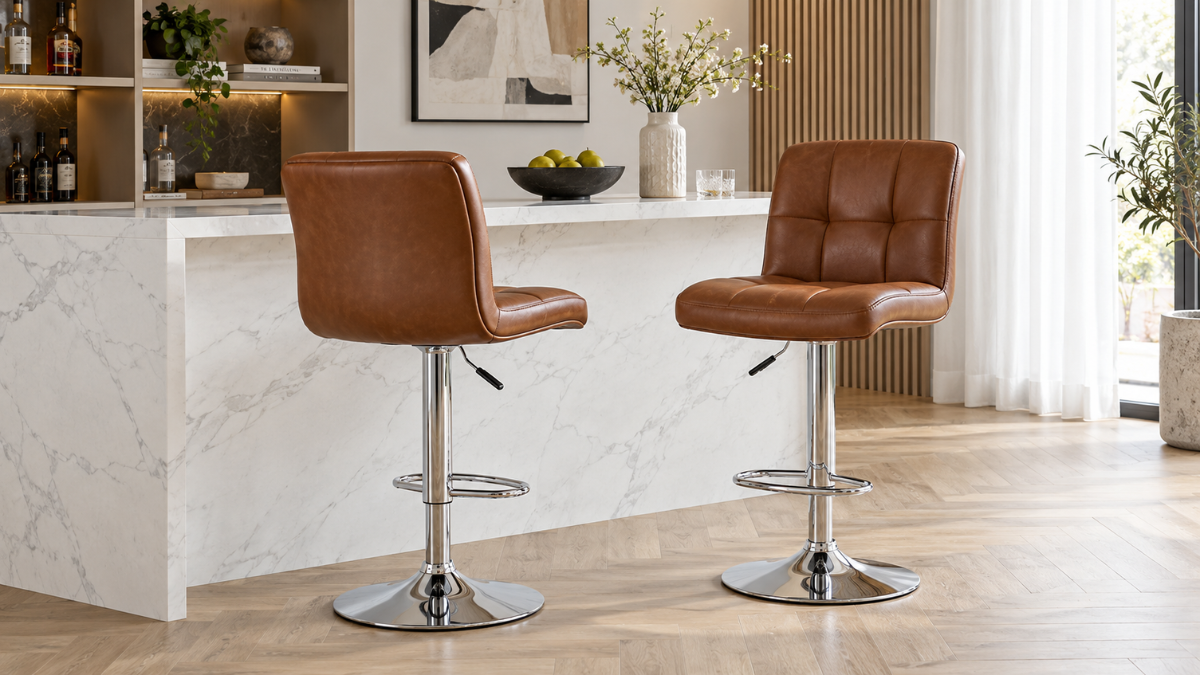
Comfortable Bar Stools With Backs for Relaxed Dining and Entertaining at Home
Comfortable bar stools can turn a kitchen island, breakfast counter, or home bar into a welcoming place for meals and conversations.
The right stool supports your back, gives your feet a stable resting point, and lets you sit without feeling cramped. Seat height, cushioning, materials, and frame construction all affect daily comfort.
With so many designs available, choosing a suitable option can feel confusing. Some stools look stylish yet become uncomfortable after several minutes.
Others provide excellent support but may not suit your counter or interior. This guide explains the main features to check so you can find seating that feels good and fits your space.
Why Comfort Matters When Choosing Bar Stools
Bar stools are often used during breakfast, coffee breaks, casual dinners, homework sessions, and social gatherings. An uncomfortable seat can lead to poor posture, leg pressure, and back discomfort.
A well-designed stool supports a natural sitting position. Your feet should rest securely, your knees should have enough space, and the seat should support your body without creating pressure points. These details become especially important when stools are used every day.
Choose the Correct Bar Stool Height
Correct seat height is one of the main factors behind comfortable seating. A stool that is too high can leave little room for your legs. A low stool may force you to reach upward toward the counter.
Use these common measurements as a guide:
- Counter-height stools usually have a seat height of 24 to 27 inches.
- Bar-height stools commonly measure 28 to 33 inches from floor to seat.
- Extra-tall stools may have a seat height of 34 to 40 inches.
Measure the distance from the floor to the underside of your counter. Leave approximately 9 to 13 inches between the stool seat and the counter surface. This spacing usually provides enough legroom for relaxed seating.
Look for a Supportive Seat Design
Seat shape can greatly affect how a stool feels. Flat wooden seats may suit short meals, while curved or padded seats often provide better comfort during extended use.
A gently contoured seat helps distribute body weight evenly. Wider seats can accommodate different body types, while a waterfall edge may reduce pressure behind the thighs. If possible, check the seat depth and width before buying.
A seat width of at least 15 inches works for many adults. Wider designs measuring 17 to 21 inches can feel less restrictive, particularly when used for long conversations or work sessions.
Decide Between Backless and Backed Bar Stools
Backless stools have a compact appearance and can slide beneath a counter when not in use. They work well in small kitchens or spaces where keeping the walking area clear is important. However, they provide limited support during extended sitting.
Low-back stools give some lower-back support while maintaining a streamlined profile. Full-back stools feel similar to dining chairs and are often suitable for families who regularly eat at the counter.
For extended sitting, comfortable bar stools with backs are usually the better choice. Look for a backrest that follows the natural curve of your spine without pushing your shoulders forward.
Check the Cushioning and Upholstery
Padding can make a major difference in comfort. High-density foam tends to maintain its shape better than thin, soft padding. A seat that feels overly soft may flatten quickly and provide limited support.
Common upholstery materials include:
- Fabric, which feels soft and comes in many colors and patterns
- Faux leather, which is easy to wipe clean
- Genuine leather, which develops character over time
- Performance fabric, which resists stains and regular wear
- Vinyl, which suits busy kitchens and dining areas
If children frequently use the stools, stain-resistant and wipeable upholstery can make cleaning easier. Removable seat covers may also help with regular care.
Prioritize a Strong Footrest
A footrest prevents your legs from hanging without support. This small feature can reduce pressure behind the knees and help you maintain a balanced sitting position.
Check that the footrest sits at a natural height and feels sturdy under pressure. Metal footrests often provide good durability, while wooden rails should be securely attached to the frame.
Some stools have protective metal plates over the front rail to guard against scratches from shoes.
Swivel Bar Stools for Flexible Seating
Swivel seats allow you to turn without moving the entire stool. This function can be helpful near open kitchens, entertainment areas, or counters facing several directions.
A full 360-degree swivel provides unrestricted movement. Memory-return mechanisms guide the seat back to its original position after use, helping the stools maintain a tidy appearance.
Make sure there is adequate space between swivel stools. Seats placed too closely can bump into each other or nearby counters.
Adjustable Bar Stools for Different Users
Adjustable-height stools can work with various counter heights and user preferences. Most models use a gas-lift mechanism controlled by a lever beneath the seat.
These stools are suitable for multipurpose areas, apartments, and homes with people of different heights. Look for a wide, weighted base that helps prevent tipping. The adjustment mechanism should move smoothly and remain stable once locked in position.
Select Durable Frame Materials
The frame affects stability, appearance, and lifespan. Popular materials include wood, steel, aluminum, and molded plastic.
Wooden frames create a warm, classic look and pair well with traditional or farmhouse interiors. Steel frames suit industrial and contemporary settings. Aluminum is lightweight and resistant to rust, making it useful in covered outdoor areas. Molded plastic stools are easy to clean and move.
Match Bar Stools With Your Available Space
Measure the full counter length before deciding how many stools to buy. Each person needs enough elbow room to sit comfortably.
Allow approximately 26 to 30 inches from the center of one stool to the center of the next. Stools with arms or wide seats may need additional spacing. Leave enough clearance behind each stool so people can sit down without blocking a walkway.
For tight spaces, armless or backless designs may be easier to store. In larger kitchens, upholstered stools with backs and arms can create a formal dining atmosphere.
Pick Features That Suit Daily Use
Your household routine should guide the final selection. If stools are mainly used for quick breakfasts, simple backless seating may be sufficient. For dining, working, or entertaining, padded seats and supportive backs can improve comfort.
Useful features may include:
- Adjustable seat height
- Swivel movement
- Padded back support
- Curved seat edges
- Easy-clean upholstery
- Protective floor pads
- Built-in footrests
- Removable cushions
Choose features that serve a clear purpose in your home. Extra mechanisms may require occasional tightening or maintenance.
How to Care for Comfortable Bar Stools
Regular cleaning helps stools retain their appearance and function. Wipe spills quickly to prevent stains. Use cleaning products approved for the specific upholstery or frame material.
Check screws, bolts, and joints every few months. Tighten any loose fittings before they affect stability. Keep swivel mechanisms free from crumbs and debris. Felt pads beneath the legs can protect hard flooring and reduce noise when stools are moved.
Finding Comfortable Bar Stools for Everyday Living
Comfortable bar stools should provide proper height, steady foot support, suitable cushioning, and enough space for natural movement.
Start by measuring your counter, then compare seat dimensions and support features. Materials and colors can follow once the practical requirements are clear.
A carefully selected stool can make everyday meals, conversations, and work sessions feel easier. By focusing on fit, construction, and daily care, you can create a counter seating area that remains comfortable and functional for years.