
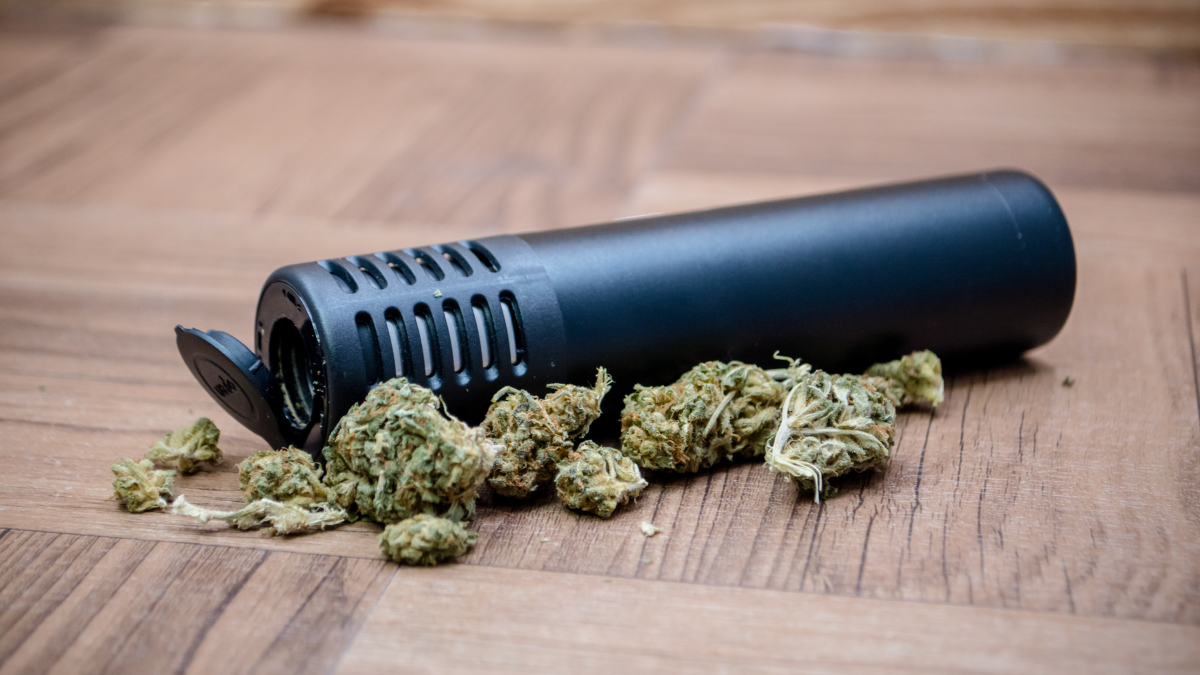
What to Look for When Choosing a Reliable Dry Herb Vaporizer
A dry herb vaporizer is a device designed to heat dried botanical material without directly burning it. Instead of creating smoke through combustion, the device uses controlled heat to produce vapor that can be inhaled.
This difference in heating method is one of the main reasons many adults explore vaporizers as an alternative to traditional smoking methods.
Modern devices range from compact portable models to larger desktop systems with adjustable temperature controls and other advanced features.
What Is a Dry Herb Vaporizer and How Does It Work?
A dry herb vaporizer heats dried plant material to a controlled temperature without intentionally setting it on fire. The heat releases volatile compounds from the material, creating vapor rather than the smoke associated with combustion.
Most devices include several basic components:
- A chamber or oven that holds the dried material
- A heating system
- A battery or external power source
- A mouthpiece
- Temperature controls
- An airflow pathway
Once the device reaches the selected temperature, heated air or the chamber itself warms the material. The resulting vapor then travels through the airflow pathway and mouthpiece.
Dry Herb Vaporizer Heating Methods
Two major heating technologies are commonly used in dry herb vaporizers.
Conduction Heating
Conduction vaporizers heat the material through direct contact with a heated surface inside the chamber.
These devices are often compact and may heat quickly. However, proper packing and occasional stirring may help promote more even heating, depending on the design.
Convection Heating
Convection devices circulate heated air through the dry material.
Because the material is heated mainly by hot airflow rather than direct contact with a heating surface, convection models may provide more consistent heating across the chamber.
Some vaporizers combine both conduction and convection technologies. These are often described as hybrid heating systems.
Portable Versus Desktop Dry Herb Vaporizers
The right vaporizer format depends largely on where and how the device will be used.
Portable Dry Herb Vaporizers
Portable models are typically battery-powered and designed for convenience.
Common features may include:
- Rechargeable batteries
- Compact construction
- Adjustable temperatures
- Digital displays
- USB charging
- Quick heating
These devices may appeal to adults who prioritize portability and easy storage.
Desktop Dry Herb Vaporizers
Desktop vaporizers are generally larger devices that use a wall outlet rather than a rechargeable battery.
They may offer:
- Larger heating systems
- Precise temperature controls
- Longer operating sessions
- Higher-capacity chambers
- Whip or balloon-style delivery systems
Because they are less portable, desktop models are usually designed for use in a fixed location.
Why Temperature Control Matters
Temperature control is one of the most important features of a dry herb vaporizer.
Different temperatures may influence vapor density, flavor, and overall device performance. Lower settings generally create lighter vapor, while higher temperatures can produce denser vapor.
Some simple devices use preset temperature levels, while advanced models may offer precise digital adjustment.
Reliable temperature regulation can also help prevent the chamber from reaching temperatures that cause unwanted combustion.
Features to Consider Before Choosing a Dry Herb Vaporizer
Not every vaporizer offers the same functionality. Comparing several features can make it easier to find a model that matches your preferences.
Battery Life
If portability is important, battery capacity deserves close attention.
Larger batteries may support longer sessions between charges, although they can also increase the size and weight of the device.
Some vaporizers use removable batteries, while others have built-in rechargeable batteries.
Heat-Up Time
Heat-up times vary considerably.
Some portable devices may be ready relatively quickly, while others require additional time to reach the selected temperature.
A faster heating system can be convenient for shorter sessions.
Chamber Size
Chamber capacity affects how much material a device can hold at once.
A smaller chamber may suit individual sessions, while larger chambers can reduce how often the device needs to be reloaded.
Temperature Range
Devices offering broader temperature adjustment provide more control over the vaping experience.
Look for clear temperature controls that are easy to understand and adjust.
Materials and Construction
The materials used inside the heating chamber and airflow pathway can affect durability and maintenance.
Common chamber materials may include:
- Stainless steel
- Ceramic
- Glass
High-quality construction can also help improve the longevity of the device.
How to Maintain a Dry Herb Vaporizer
Regular cleaning is important for keeping a vaporizer functioning properly.
Residue can accumulate inside the chamber, screens, cooling unit, and mouthpiece over time. Excess buildup may restrict airflow or affect device performance.
General maintenance may include:
- Emptying the chamber after use
- Brushing away loose material
- Cleaning removable components according to the manufacturer’s instructions
- Checking screens for buildup
- Keeping the mouthpiece clear
- Allowing cleaned components to dry completely before reassembly
Always follow the manufacturer’s cleaning instructions because different materials may require different maintenance methods.
How Often Should a Vaporizer Be Cleaned?
Cleaning frequency depends on usage.
A device used regularly may require light cleaning every few sessions and deeper cleaning periodically. Maintaining the chamber before heavy residue accumulates can make cleaning easier.
Signs that cleaning may be needed include:
- Reduced airflow
- Visible buildup
- Difficulty drawing through the mouthpiece
- Changes in vapor quality
- Persistent residue inside the chamber
Routine maintenance may also help extend the usable life of removable parts.
Dry Herb Vaporizer Versus Traditional Combustion
The main difference between vaping and smoking is the heating process.
Traditional smoking involves combustion, meaning the material is burned. A dry herb vaporizer is designed to heat material below the point of combustion.
As a result, the experience, odor, maintenance requirements, and device setup may differ considerably.
However, vapor does not mean risk-free. Inhaling heated substances can still affect respiratory health, and product quality, device temperature, and the material being used can influence exposure.
Can You Use Any Herb in a Dry Herb Vaporizer?
Only use materials that the vaporizer manufacturer specifically says are compatible with the device.
Some vaporizers are designed exclusively for certain types of dry botanical material. Using oils, liquids, concentrates, or unsupported substances in a dry-herb chamber may damage the device or create safety concerns.
Always check the manufacturer’s operating instructions before adding material to the chamber.
Important Safety Considerations
Responsible device use begins with reading the product manual.
Keep several precautions in mind:
- Use only compatible materials.
- Do not exceed recommended temperatures.
- Keep the device away from children and pets.
- Avoid using damaged batteries or charging cables.
- Allow the device to cool before cleaning.
- Follow battery charging instructions carefully.
- Do not operate a damaged vaporizer.
- Purchase devices and replacement components from reputable sources.
You should also follow applicable local laws regarding possession and use of any botanical material placed in the device.
Frequently Asked Questions About Dry Herb Vaporizers
Does a dry herb vaporizer create smoke?
A properly operating vaporizer is designed to produce vapor rather than smoke. If material begins burning, the temperature may be too high or the device may not be functioning as intended.
Do dry herb vaporizers need regular cleaning?
Yes. Regular maintenance helps prevent residue buildup, restricted airflow, and reduced performance.
Are portable vaporizers rechargeable?
Many portable models use rechargeable batteries, although charging methods and battery capacities vary by device.
What is the difference between conduction and convection heating?
Conduction heats material through direct contact with a hot surface, while convection passes heated air through the material.
How long does a dry herb vaporizer last?
Device lifespan depends on construction quality, battery condition, frequency of use, and maintenance. Proper cleaning and careful charging may help reduce unnecessary wear.
Finding the Best Dry Herb Vaporizer Features for Your Preferences
Rather than focusing on one feature alone, compare the complete device based on how and where you expect to use it.
Portable devices may be more convenient for compact storage, while desktop models may offer additional heating power and session controls.
Paying attention to construction quality, temperature regulation, ease of cleaning, and manufacturer support can help you evaluate different options more effectively.
Before using any vaporizer, read the manufacturer’s instructions carefully and make sure the device and intended material comply with applicable local laws.