
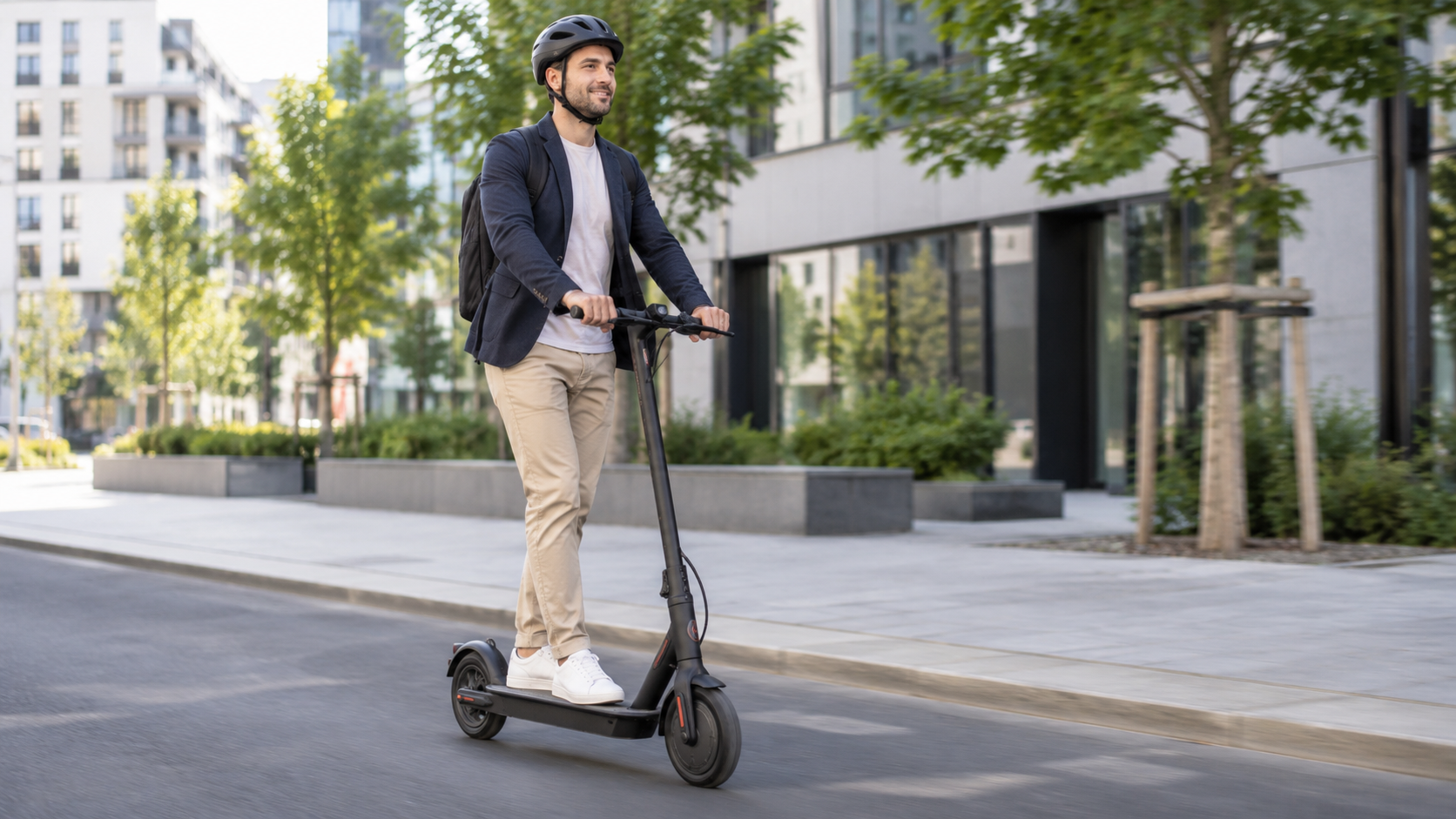
What Electric Scooters Should Offer for Safe and Convenient Urban Travel
Electric scooters have become a popular option for short-distance transportation, daily commuting, and casual city travel.
Compact designs, rechargeable batteries, and simple controls make electric scooters appealing to people who want a convenient alternative to driving or relying on public transportation for every trip.
Understanding these factors can help you find an electric scooter that fits your lifestyle without paying for features you may not need.
What Are Electric Scooters and How Do They Work?
Electric scooters are two-wheeled personal transportation devices powered by rechargeable batteries and electric motors.
Most models include a standing deck, handlebars, brakes, wheels, and a throttle or similar acceleration control.
When you activate the throttle, the battery supplies energy to the motor, which turns one or both wheels.
Depending on the model, you may also have different riding modes that adjust acceleration, maximum speed, or energy consumption.
Many modern scooters also include digital displays that show information such as:
- Current speed
- Remaining battery level
- Riding mode
- Distance traveled
- Headlight status
- Estimated range
Some models connect to smartphone apps for additional settings, locking functions, or ride statistics.
Why Electric Scooters Are Popular for Everyday Transportation
One of the biggest advantages of electric scooters is convenience. They can be useful for short commutes where walking may take too long but driving feels unnecessary.
Their relatively compact size also makes them easier to store than bicycles or motorcycles. Certain models have folding mechanisms, allowing you to carry them into offices, apartments, or public transportation.
Other potential benefits include reduced fuel use, relatively simple operation, and fewer moving mechanical components than many gasoline-powered vehicles.
However, an electric scooter may not be the best transportation option for every situation. Weather, road conditions, rider weight, distance, and local regulations should all be considered before making one part of your regular routine.
How to Choose the Right Electric Scooter
Different riders have different priorities, so there is no single scooter that works perfectly for everyone. Instead, compare models according to how and where you expect to ride.
Consider Your Typical Riding Distance
Battery range is one of the first specifications you should review.
Manufacturers commonly provide an estimated maximum range, but real-world performance can vary. Rider weight, hills, speed, temperature, tire pressure, and frequent acceleration may all reduce how far a scooter travels on one charge.
If your commute is 5 miles each way, choosing a model with exactly 10 miles of advertised range may leave little room for unexpected conditions. A reasonable range buffer can provide greater flexibility.
Battery Capacity and Charging Time
Battery size influences both range and overall scooter weight.
Larger batteries may allow longer rides, but they can also increase charging time and make the scooter heavier. For frequent commuters, charging convenience can be almost as important as maximum range.
Before choosing a model, check:
- Estimated charging time
- Battery capacity
- Charger type
- Battery warranty
- Availability of replacement batteries
Good charging habits may also help protect battery performance over time.
Motor Power and Hill-Climbing Performance
Motor output affects acceleration and the scooter’s ability to handle inclines.
Lower-powered scooters may work well on flat streets and short neighborhood trips. Riders who regularly encounter steep hills may benefit from stronger motors or dual-motor systems.
However, greater motor power often comes with trade-offs such as increased weight, higher energy consumption, and a higher purchase price.
Instead of automatically choosing the most powerful option, match motor performance to your actual riding environment.
Speed Should Not Be the Only Priority
Maximum speed receives a lot of attention when people compare electric scooters, but faster does not always mean better.
Higher speeds require more braking distance and can increase the consequences of falls or collisions. Local regulations may also restrict how fast electric scooters can legally travel.
For daily commuting, predictable acceleration, reliable braking, and stable handling may matter more than achieving the highest possible top speed.
Suspension and Ride Comfort
Road surfaces can dramatically affect scooter comfort.
Small wheels and rigid frames may transmit bumps directly to the rider. If your regular route includes cracked pavement or rough streets, suspension can make a noticeable difference.
Common suspension designs include:
- Front suspension
- Rear suspension
- Dual suspension
- Spring systems
- Hydraulic suspension
Larger pneumatic tires may also improve ride comfort by absorbing some road vibration.
Tire Types Matter
Electric scooters generally use pneumatic, tubeless, or solid tires.
Pneumatic tires contain air and can provide comfortable handling. However, they may be vulnerable to punctures and require occasional pressure checks.
Solid tires eliminate the risk of flats but may produce a firmer ride.
Tubeless tires offer another option and are increasingly common on commuter-oriented scooters. Your ideal choice depends on how much you value comfort compared with low maintenance.
Braking Systems to Look For
Reliable brakes are essential for safe riding.
Electric scooters may use several braking technologies, including:
- Disc brakes
- Drum brakes
- Electronic braking
- Regenerative braking
- Foot brakes
Some scooters combine two braking systems for additional stopping control.
When comparing models, consider not only the brake type but also how smoothly and predictably the brakes respond.
Portability and Scooter Weight
If you need to carry your scooter upstairs or bring it onto public transportation, weight becomes an important consideration.
Lightweight scooters are generally easier to transport but may use smaller batteries or less powerful motors.
Heavier models may provide greater range, larger tires, stronger suspension, or improved stability.
A folding mechanism can also improve portability. Check whether the scooter folds quickly and whether the locking mechanism feels secure when unfolded.
Safety Features Worth Considering
Useful safety features can improve visibility and rider awareness, especially during evening travel.
Look for features such as:
- Front headlights
- Rear lights
- Brake lights
- Side reflectors
- Turn indicators
- Horns or electronic bells
A bright headlight may help you see obstacles while also making you more visible to other road users.
Protective equipment is equally important. Depending on local rules and riding conditions, helmets and other protective gear may help reduce injury risk.
Are Electric Scooters Good for Commuting?
Electric scooters can be suitable for commuters who travel relatively short distances and have access to safe riding routes.
They may be especially useful for what transportation planners often call the “first mile” or “last mile” portion of a commute.
For example, you might ride a scooter from home to a train station and complete the rest of your journey using public transportation.
Before relying on one for commuting, consider storage, charging access, weather conditions, and whether scooters are permitted on your intended route.
Electric Scooter Maintenance Tips
Routine maintenance can help keep an electric scooter operating reliably.
Check Tire Pressure
If your scooter uses pneumatic tires, inspect tire pressure regularly. Incorrect pressure can affect comfort, handling, battery efficiency, and tire wear.
Inspect the Brakes
Test the brakes before riding and look for signs of wear. Mechanical brakes may occasionally require adjustment or replacement.
Keep the Scooter Clean
Remove dirt and debris from the deck, wheels, and moving components. Avoid exposing electrical components to excessive water unless the manufacturer’s instructions specifically allow it.
Inspect Folding Components
If your scooter folds, regularly check the hinge and locking mechanism for looseness or unusual movement.
Care for the Battery
Follow the manufacturer’s charging and storage guidance. Extreme heat or cold can affect lithium-ion battery performance.
If you plan to store the scooter for an extended period, consult the manual for recommended battery charge levels.
Electric Scooters and Weather Conditions
Some scooters provide water-resistance ratings, but water resistance does not necessarily mean waterproof.
Heavy rain, deep puddles, or flooded roads may damage electronic components and reduce traction. Wet surfaces can also increase stopping distances.
Always check the manufacturer’s water-resistance rating before riding in poor weather.
Understanding Local Electric Scooter Laws
Electric scooter regulations vary significantly by location.
Rules may address:
- Minimum rider age
- Helmet requirements
- Maximum speeds
- Where scooters may operate
- Licensing requirements
- Sidewalk riding
- Bike lane access
- Parking restrictions
Because these regulations can change, check current rules from your local transportation authority before riding regularly.
How Much Should You Spend on an Electric Scooter?
Electric scooter prices can vary widely based on performance, battery capacity, construction quality, and technology.
Budget models may be suitable for occasional short trips, while mid-range scooters often provide a balance of range, durability, and comfort.
Premium scooters may include powerful motors, sophisticated suspension, larger batteries, advanced displays, and stronger braking systems.
The best value generally comes from buying according to your actual transportation needs rather than simply choosing the cheapest or most feature-packed model.
Questions to Ask Before Buying an Electric Scooter
Before making a decision, consider these questions:
- How far will you normally ride?
- Are there steep hills along your route?
- Will you need to carry the scooter?
- Where will you charge it?
- What road surfaces will you encounter?
- Do you need suspension?
- What safety features are included?
- Are replacement parts easy to find?
- What warranty does the manufacturer provide?
- Are electric scooters permitted where you plan to ride?
Answering these questions can narrow your options considerably.
Choosing Electric Scooters for Smarter Everyday Travel
The right model should match your typical distance, terrain, storage needs, and comfort expectations instead of simply offering impressive specifications.
Pay particular attention to battery range, braking performance, tire quality, motor power, portability, and safety equipment. It is also important to understand local riding regulations before using a scooter on public roads or pathways.
With thoughtful selection, routine maintenance, and responsible riding habits, electric scooters can become a convenient addition to your everyday transportation options.