
Energy-Efficient Appliances Worth Buying: Smart Picks for 2025
Across the U.S., homeowners are realizing that energy efficiency isn’t just about going green—it’s about saving serious money and improving everyday comfort.
From smart refrigerators to advanced water heaters, the newest generation of appliances is built to use less energy without sacrificing performance. These innovations not only help lower monthly utility bills but also reduce overall environmental impact.
With features like inverter compressors, smart sensors, and Energy Star certifications, today’s efficient models deliver superior results while conserving power. For anyone upgrading in 2025, energy-efficient appliances are a practical investment that pays off in both sustainability and long-term savings.

Why Upgrade Now
Older appliances can drain electricity and inflate utility bills. According to the U.S. Department of Energy, replacing outdated models with certified energy-efficient ones can reduce home energy costs by 20–30% annually.
Key benefits of upgrading:
- Lower monthly electricity bills
- Smaller carbon footprint
- Longer appliance lifespan
- Eligibility for state or federal rebates
With U.S. inflation and energy costs still above pre-pandemic levels, 2025 is an ideal time to modernize your appliances and lock in savings.
What to Look for When Buying
Not all “efficient” appliances are created equal. The first step to buying smart is reading the labels and understanding what efficiency really means.
Check for these essentials:
- ENERGY STAR certification: Indicates compliance with EPA and DOE energy standards.
- Energy Guide label: Shows annual operating cost and kilowatt-hour usage.
- Inverter or variable-speed technology: Found in fridges, ACs, and washers—adjusts energy draw to usage.
- Smart sensors and Wi-Fi control: Allow you to monitor or schedule use for off-peak hours.
Top Appliance Categories to Focus On
Here’s a breakdown of top-performing energy-efficient categories and Amazon’s 2025 bestsellers.
Refrigerators
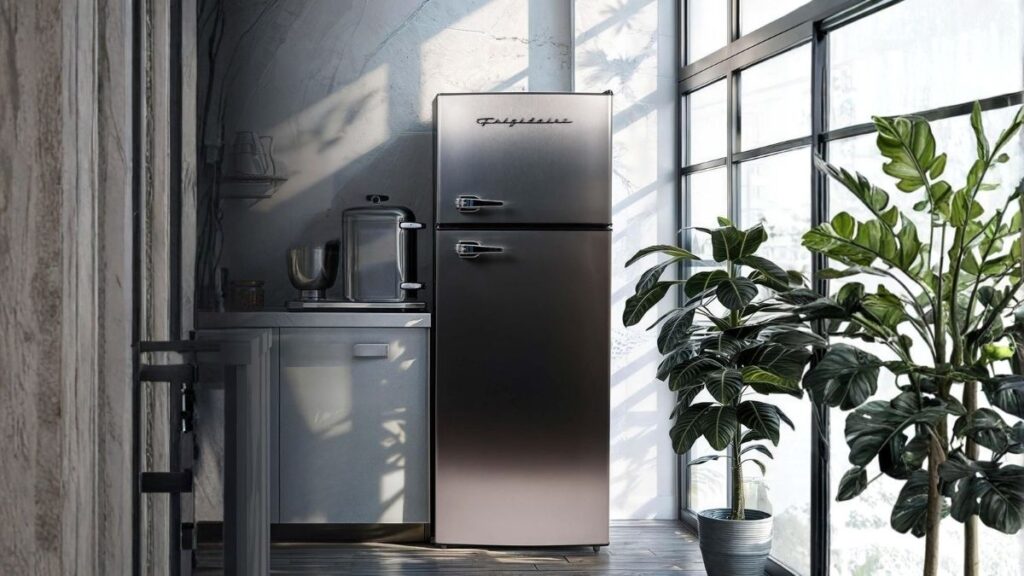
Modern fridges use advanced compressors and tighter insulation, cutting energy use by nearly half compared to models from a decade ago.
Top Pick: LG Smart Inverter Refrigerator (26 cu. ft.)
- Price on Amazon: $749
- Features: Wi-Fi-enabled controls, linear compressor, auto defrost
- Why it’s great: Energy-efficient cooling with consistent temperature management
Dishwashers
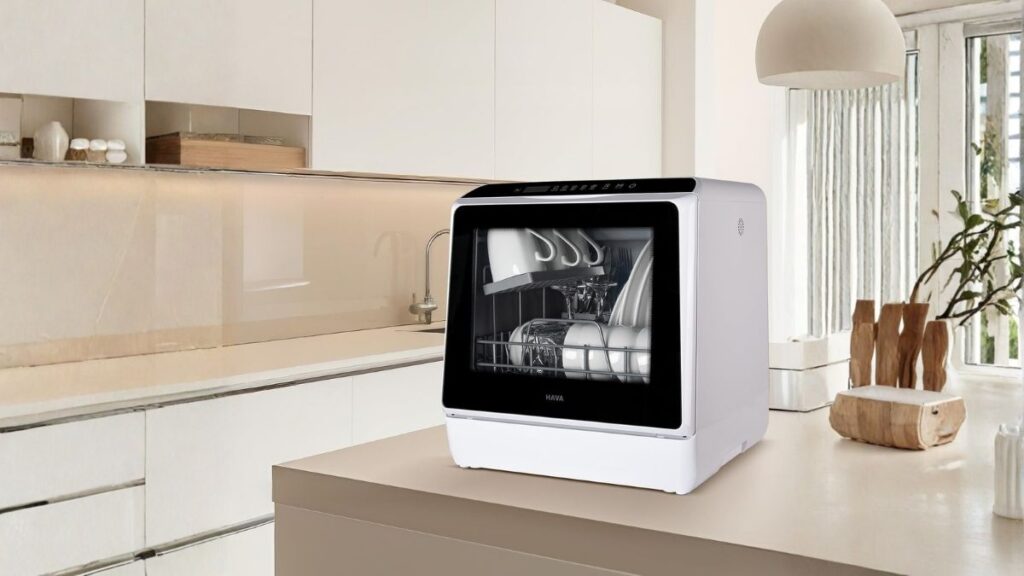
Today’s dishwashers use less water and energy while improving cleaning power.
Top Pick: Bosch 500 Series Dishwasher
- Price on Amazon: $999
- Features: EcoSilence motor, half-load wash, sensor-based water control
- Why it’s great: Whisper-quiet operation and efficient water use
Washing Machines & Dryers
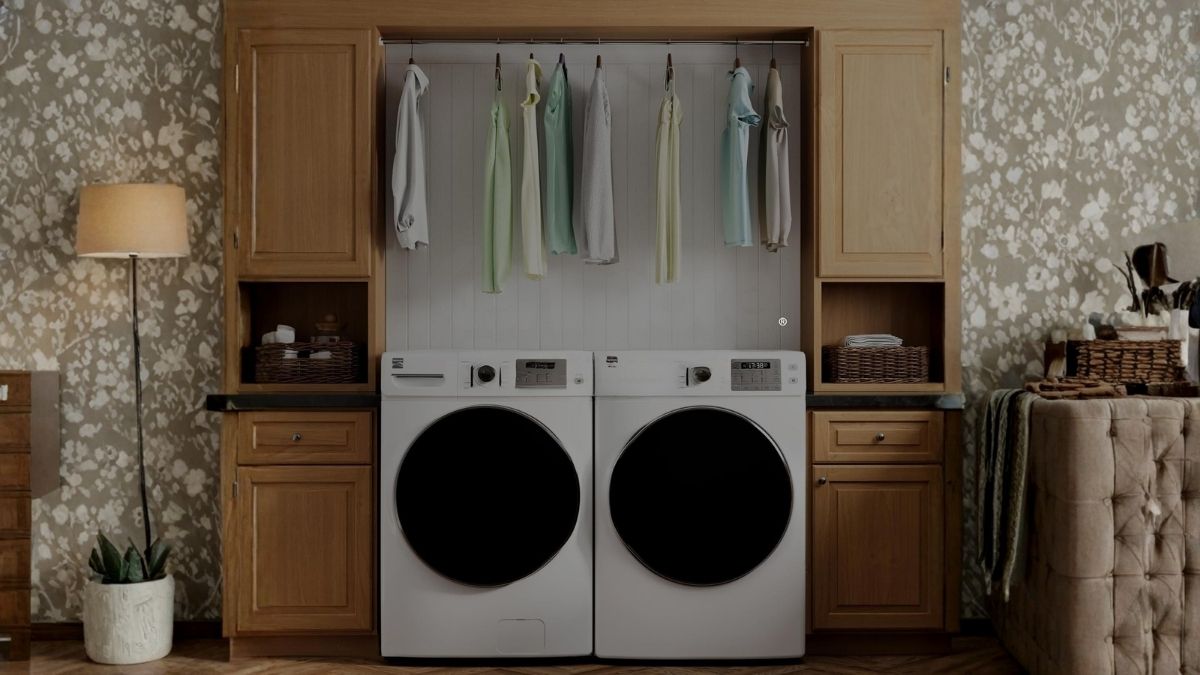
Front-load washers and heat pump dryers are leading the efficiency trend.
Top Pick: Samsung Front Load Washer with EcoBubble Technology
- Price on Amazon: $679
- Features: Cleans with air and water bubbles instead of high heat
- Why it’s great: Uses 25% less energy and saves up to 40 gallons of water per cycle
Water Heaters & HVAC Systems
Heating and cooling account for nearly 50% of household energy use in the U.S., making efficiency crucial.
Top Pick: Rheem Hybrid Electric Water Heater (50-gallon)
- Price on Amazon: $1,399
- Features: Heat pump design, smart leak detection, Wi-Fi integration
- Why it’s great: Can save up to $480 per year on energy bills
Savings & Incentives
The Inflation Reduction Act (IRA) continues to reward energy efficiency in 2025. Homeowners can claim up to $2,000 in federal tax credits for qualifying ENERGY STAR-certified appliances.
Estimated yearly savings by category:
- Refrigerator: $60–$90
- Air Conditioner: $150–$200
- Washer/Dryer: $80–$100
- Water Heater: $300–$400
Over 10 years, those savings can exceed $3,000, not including rebates or local utility incentives.
Maintenance & Usage Tips
Even the most efficient appliances can underperform without proper care. Extend their lifespan and maintain top efficiency with these quick habits:
- Clean filters and coils on HVAC units and refrigerators every 3–6 months.
- Run full loads in washers and dishwashers.
- Set water heaters to 120°F (49°C) for optimal performance.
- Use smart plugs or timers to cut phantom energy draw.
Small adjustments can make a measurable difference on your power bill.

Smart Shopping Tips for U.S. Buyers
Shopping for efficient appliances in the U.S. is easier than ever, thanks to standard labeling and nationwide incentives.
Before purchasing:
- Check energystar.gov for qualified models.
- Use the Energy Guide label to compare lifetime costs.
- Consider total ownership cost—not just upfront price.
- Look into state and utility rebates, which vary by ZIP code.
If you live in areas with high energy rates like California or New York, focus on heat pump systems and smart thermostats for maximum long-term value.
How to Plan Your Upgrade
- Audit your appliances — Identify the oldest or highest energy users first.
- Set a budget — Factor in rebates and seasonal sale discounts.
- Buy during major events — Black Friday and Cyber Monday often offer the lowest prices of the year.
- Recycle responsibly — Many retailers and utilities provide pickup and recycling for old units.
Amazon Black Friday Deals 2025
There’s no better time to upgrade than during Amazon’s 2025 Black Friday Deals, when top-rated ENERGY STAR appliances are marked down by up to 40%. Expect discounts on brands like LG, Samsung, Bosch, and Whirlpool across major categories—refrigerators, washers, dishwashers, and more.
Keep an eye on Amazon’s “Appliance Deals” section for early access offers and limited-time bundles. Sustainable living has never been more affordable—or more rewarding.