
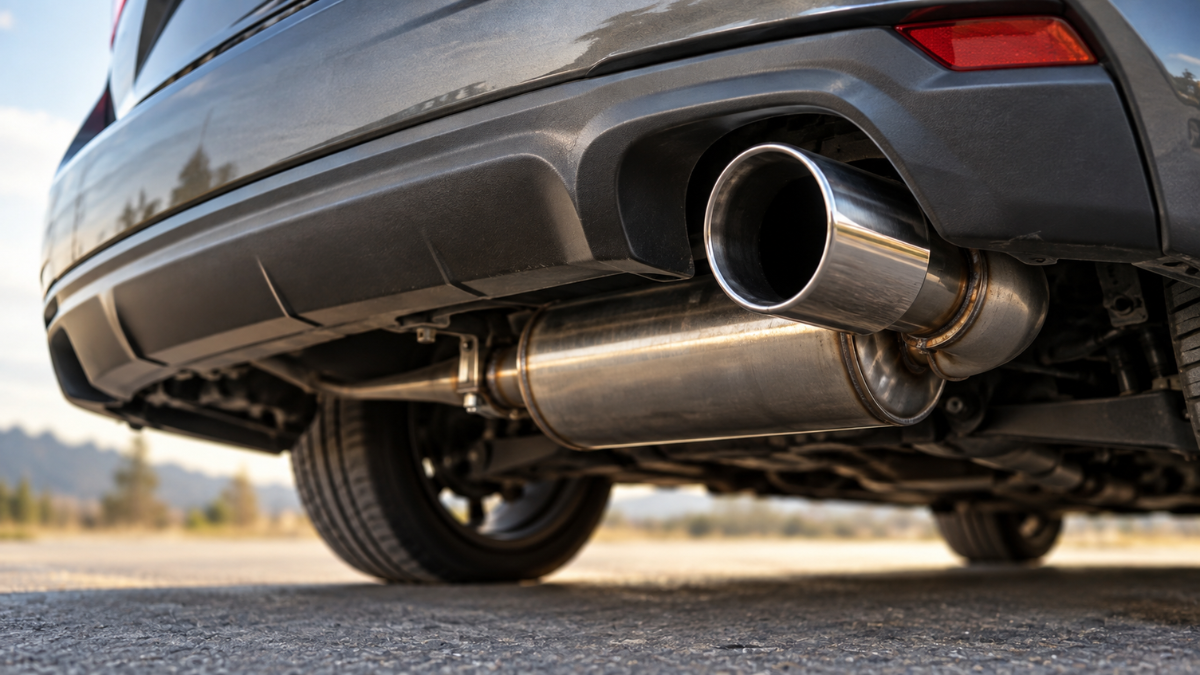
How an Exhaust Muffler Reduces Engine Noise and Improves Driving Comfort
An exhaust muffler plays an important role in keeping your vehicle quieter and comfortable to drive. Located along the exhaust system, this component reduces the loud sound produced when exhaust gases leave the engine.
It uses internal chambers, tubes, or sound-absorbing materials to control noise before the gases exit through the tailpipe.
A damaged muffler can produce loud rumbling, rattling, or hissing sounds. It may also allow harmful fumes to enter the passenger area. Learning how a muffler works can help you identify early damage, schedule timely repairs, and protect other exhaust components.
Proper maintenance may also help your vehicle meet local noise and emissions requirements.
What Is an Exhaust Muffler?
An exhaust muffler is a metal component connected to your vehicle’s exhaust pipes. Its main purpose is to reduce engine noise while allowing exhaust gases to leave the vehicle safely.
Inside the muffler, sound waves pass through specially designed tubes and chambers. These sections redirect the waves so that some frequencies cancel each other out. Certain mufflers also contain fiberglass or other sound-absorbing materials.
Most passenger vehicles have mufflers installed near the rear axle. Trucks, performance cars, motorcycles, and commercial vehicles may use different designs based on engine size and desired sound.
How Does an Exhaust Muffler Work?
Fuel combustion creates pressure pulses inside the engine. These pulses travel through the exhaust manifold and pipes as hot gases and sound waves. Without a muffler, the exhaust sound would be extremely loud.
The muffler controls this sound through several methods:
- Internal chambers redirect sound waves.
- Perforated tubes reduce harsh exhaust frequencies.
- Resonators target specific sound ranges.
- Insulation absorbs vibration and excess noise.
- The outer metal shell contains the remaining sound.
After passing through the muffler, exhaust gases exit through the tailpipe at a reduced noise level.
Common Types of Exhaust Mufflers
Different muffler designs produce different sound levels, airflow patterns, and driving experiences.
Chambered Mufflers
Chambered mufflers use internal walls and compartments to redirect exhaust gases. They often create a deep, aggressive tone and are popular on muscle cars and trucks.
Turbo Mufflers
Turbo mufflers guide exhaust gases through curved internal passages. They usually provide a quieter sound while maintaining suitable airflow for daily driving.
Straight-Through Mufflers
Straight-through models use a perforated tube surrounded by sound-absorbing material. Their less restrictive design may support improved exhaust flow and a louder tone.
Glasspack Mufflers
Glasspack mufflers have a simple straight-through structure packed with fiberglass. They are compact and produce a sharp, noticeable exhaust sound.
Performance Mufflers
Performance mufflers are designed to reduce exhaust restrictions. Depending on the full exhaust setup, they may improve throttle response and create a sportier sound.
Signs of a Damaged Exhaust Muffler
Muffler damage often develops from corrosion, road debris, moisture, heat, or normal aging. Early detection can prevent a small repair from becoming an expensive exhaust-system replacement.
Loud Exhaust Noise
A sudden increase in engine or exhaust noise is one of the clearest warning signs. A hole, crack, or separated pipe may allow sound to escape before reaching the muffler’s internal chambers.
Rattling Under the Vehicle
Loose brackets, broken internal parts, or damaged heat shields can cause rattling. The noise may become noticeable during acceleration or while driving across rough roads.
Visible Rust or Holes
Surface rust may not require immediate replacement, but deep corrosion can weaken the metal. Holes, cracks, or leaking seams usually indicate that professional repair is needed.
Unpleasant Exhaust Odors
Exhaust fumes near or inside the passenger area can signal a leak. Stop using the vehicle and arrange an inspection promptly because exhaust gases may contain carbon monoxide.
Reduced Fuel Efficiency
A severely restricted or damaged exhaust component may affect engine operation. If fuel consumption increases alongside exhaust noise or weak acceleration, the entire system should be inspected.
Hanging or Loose Components
A muffler that sits lower than normal may have a broken hanger or mounting bracket. Driving with a loose muffler can damage nearby pipes and create a road hazard.
What Causes Muffler Failure?
Moisture is a common cause of internal corrosion. Short trips may prevent the exhaust system from heating long enough to evaporate collected condensation.
Road salt, mud, rainwater, and coastal air can speed up exterior corrosion. Potholes, speed bumps, and road debris may also dent the muffler or damage its connecting pipes.
Other causes include:
- Worn rubber hangers
- Loose clamps
- Failed welds
- Engine misfires
- Excessive exhaust heat
- Incorrect installation
- Normal metal fatigue
Fixing engine problems early can protect the muffler and catalytic converter from additional damage.
Can a Damaged Muffler Affect Performance?
A small muffler hole may mainly increase noise. Severe internal damage or blockage can restrict exhaust flow, increasing back pressure and making it harder for the engine to release gases.
Possible performance symptoms include slow acceleration, weak engine response, poor fuel economy, and unusual exhaust sounds.
These issues can also come from the catalytic converter, oxygen sensors, or other engine parts. A proper inspection is needed before replacing anything.
How to Choose the Right Exhaust Muffler
Start by checking your vehicle’s year, make, model, engine size, and exhaust pipe diameter. A properly fitted muffler helps prevent leaks, vibration, and installation problems.
Think about these factors before purchasing:
- Vehicle compatibility
- Inlet and outlet position
- Pipe diameter
- Muffler dimensions
- Construction material
- Desired sound level
- Local noise regulations
- Manufacturer warranty
Aluminized steel is affordable and resistant to normal corrosion. Stainless steel usually costs extra but can provide stronger protection against rust and harsh weather.
Stock Mufflers Versus Performance Mufflers
A stock muffler is designed for quiet operation, predictable airflow, and everyday comfort. It is usually the practical choice when you want factory-like sound and direct compatibility.
A performance muffler focuses on freer exhaust flow and a stronger exhaust tone. Sound levels can range from mild to aggressive, depending on the internal design.
Changing the muffler alone may not create a major increase in horsepower. Engine design, pipe size, headers, catalytic converters, and tuning can all affect the final result.
Exhaust Muffler Maintenance Tips
Routine checks can help extend the service life of your exhaust system.
- Inspect the muffler for rust, cracks, and dents.
- Listen for rattling or sudden changes in exhaust sound.
- Check clamps, hangers, and mounting points.
- Wash road salt and mud from the vehicle’s underside.
- Repair exhaust leaks as soon as possible.
- Address engine misfires and unusual fuel consumption.
- Ask for an exhaust inspection during scheduled servicing.
Avoid touching the muffler shortly after driving. Exhaust components can remain hot enough to cause serious burns.
Should You Repair or Replace a Muffler?
Small cracks or loose connections may sometimes be repaired with welding or replacement clamps. Temporary sealants and patches may reduce noise briefly, but they rarely provide a lasting fix for heavily corroded metal.
Replacement is often the safer choice when the muffler has several holes, widespread rust, broken internal chambers, or damaged mounting points. A technician can inspect the surrounding pipes and verify that the replacement part fits correctly.
Why Professional Installation Matters
Incorrect installation can lead to exhaust leaks, poor alignment, vibration, and contact with the vehicle body. A trained technician can measure the pipe diameter, secure each connection, and check for leaks after installation.
Professional service is especially important when pipes require cutting or welding. The technician can also inspect the catalytic converter, resonator, oxygen sensors, and exhaust hangers during the same appointment.
Make Exhaust Muffler Maintenance a Regular Priority
A properly working exhaust muffler reduces engine noise, directs fumes away from the passenger area, and supports steady exhaust flow.
Pay attention to loud sounds, rust, rattling, unpleasant odors, and loose components. These warning signs can indicate that an inspection is due.
Regular maintenance and timely repairs can protect the full exhaust system from added damage. Choose a muffler that matches your vehicle, preferred sound level, and local regulations for dependable daily performance.