
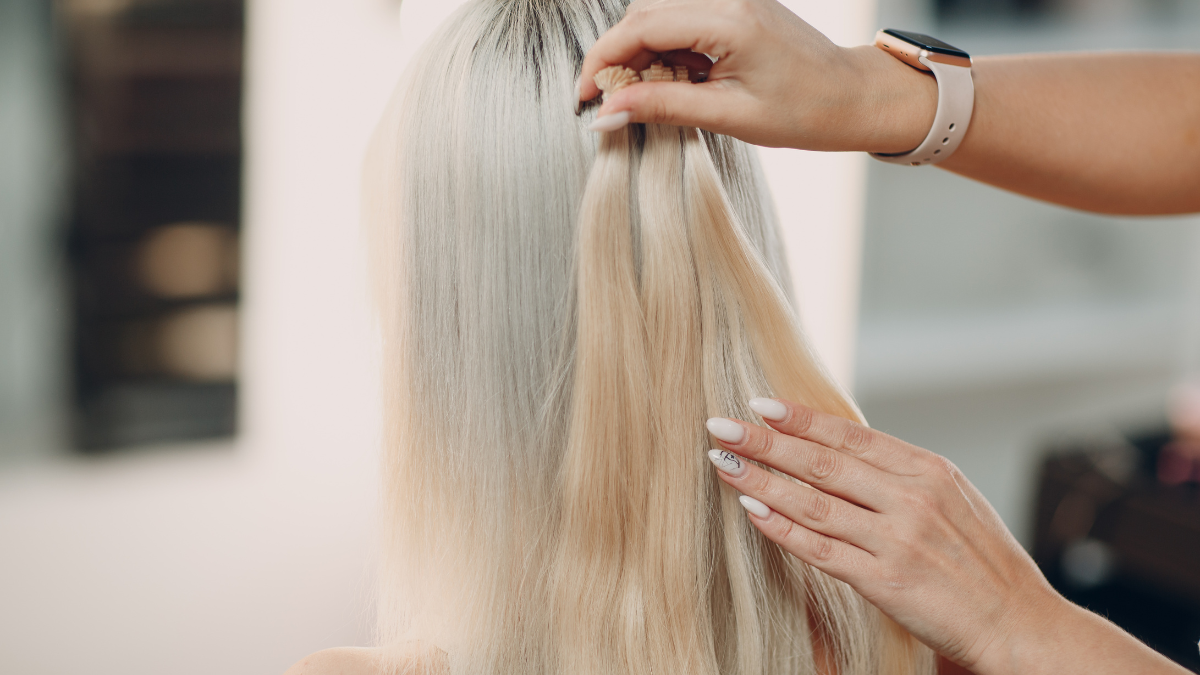
How Hair Extensions Can Transform Thin Hair With Added Length and Volume
Hair extensions can add length, fullness, color, or texture without waiting months for natural hair growth. They can help create a fresh everyday style, prepare your hair for a special event, or cover areas that appear thin.
Several extension types are available, each with different attachment methods, costs, and care requirements. The right choice depends on your hair condition, preferred style, daily routine, and budget.
What Are Hair Extensions?
Hair extensions are strands or sections attached to natural hair to increase length or volume. They are commonly made from human hair or synthetic fibers.
Human hair extensions usually look and move naturally. They can often be washed, curled, straightened, and colored with professional guidance. Synthetic extensions usually cost less, though heat styling and coloring options may be limited.
Popular Types of Hair Extensions
Each attachment method provides different benefits. Your ideal option will depend on how long you plan to wear the extensions and how much maintenance fits your schedule.
Clip-In Extensions
Clip-in extensions attach with small clips and can be installed at home. They are designed for temporary wear and should usually be taken out before sleeping.
Clip-ins suit occasional styling, parties, photoshoots, and events. Since they do not require glue or heat, they can be a gentle choice when installed and removed correctly.
Tape-In Extensions
Tape-in extensions use thin adhesive strips placed around small sections of natural hair. Their flat design allows them to sit close to the scalp and remain discreet.
They usually require professional application and scheduled repositioning as the natural hair grows. Proper removal is important because pulling the adhesive can cause breakage.
Sew-In Extensions
Sew-in extensions are attached to braided natural hair using a needle and thread. This method is commonly used for thick, curly, or textured hair that can support the weight of the added strands.
Sew-ins can provide secure, long-lasting coverage. However, braids that are too tight may create scalp discomfort or tension around the hairline.
Keratin Bond Extensions
Keratin bond extensions use small bonds attached to sections of natural hair. A trained stylist applies each strand individually, creating flexible movement and a natural finish.
Installation can take several hours. Regular salon appointments are needed to check the bonds and reduce tangling near the roots.
Micro-Link Extensions
Micro-link extensions are secured using tiny beads or rings. They do not rely on adhesive, though proper installation is essential to prevent pulling.
This method works best for healthy hair that can support the attachment points. People with fragile or very fine hair may need a lighter option.
Halo Extensions
Halo extensions sit around the head using a clear wire. Natural hair is placed over the band to hide it.
They are easy to install and do not require glue, clips, or permanent attachments. Halo designs can suit anyone seeking temporary length with minimal daily effort.
How to Choose the Right Hair Extensions
Begin by checking the condition of your natural hair. Fine or fragile strands may struggle with heavy extensions, while thick hair may require several pieces to create an even finish.
Keep these factors in mind:
- Hair thickness and texture
- Desired length and fullness
- Temporary or long-term wear
- Daily styling habits
- Maintenance schedule
- Installation and upkeep costs
- Scalp sensitivity
A professional consultation can help determine which attachment method suits your hair. A stylist can also calculate the correct weight and placement to reduce unnecessary tension.
Matching Extension Color and Texture
A close color match helps hair extensions look natural. Compare shades in daylight, since indoor lighting may change how the color appears. If your natural hair contains highlights or several tones, extensions with blended shades may create a seamless result.
Texture matters as much as color. Straight extensions placed into naturally curly hair may require frequent heat styling. Choosing a similar curl pattern or wave can reduce styling time and help the sections fall evenly.
How Long Do Hair Extensions Last?
Their lifespan depends on the material, installation method, product quality, and care routine. Temporary pieces may last through many uses when stored properly. Professionally attached extensions usually need maintenance as natural hair grows.
Human hair typically handles regular styling better than synthetic fibers. Still, frequent heat, harsh products, and rough brushing can shorten its usable life.
Daily Care Tips for Hair Extensions
Good maintenance helps prevent dryness, matting, and damaged attachment points.
Brush Carefully
Use a brush designed for extensions. Start near the ends and work upward in small sections. Hold the hair near the roots to avoid pulling on bonds, tapes, clips, or beads.
Wash Gently
Use lukewarm water and a mild shampoo. Apply shampoo near the scalp without aggressive rubbing. Let the suds move down the strands, then rinse thoroughly.
Apply conditioner from the middle sections to the ends. Avoid placing oily products directly on tape, bonds, or beads because they may loosen the attachments.
Limit Heat Exposure
Excessive heat can dry out both natural hair and extensions. Apply a heat-protectant product before using a curling iron, straightener, or blow-dryer. Select the lowest effective temperature.
Protect Hair While Sleeping
Never sleep with wet extensions. Dry the hair fully, brush gently, and place it in a loose braid or low ponytail. A silk or satin pillowcase may help reduce friction and tangling.
Schedule Maintenance Appointments
Follow the maintenance schedule provided by your stylist. Waiting too long can cause matting near the roots, uneven placement, and added tension.
Common Mistakes to Avoid
Poor habits can affect the appearance of extensions and the health of natural hair. Avoid these common errors:
- Installing extensions that are too heavy
- Pulling a brush through knots
- Applying conditioner directly to attachment points
- Sleeping with wet hair
- Using excessive heat without protection
- Keeping permanent extensions beyond the recommended period
- Removing bonded or taped extensions without proper products
- Ignoring pain, itching, or scalp irritation
Extensions should not cause ongoing pain. Contact your stylist if the scalp feels sore or the attachment points seem unusually tight.
Can Hair Extensions Damage Natural Hair?
Hair extensions can cause breakage, thinning, or traction-related hair loss when they are too heavy, poorly installed, or worn without proper care. Damage may also occur when attachments are pulled out or left in place too long.
The risk can be reduced through correct placement, gentle maintenance, regular salon visits, and scheduled breaks. Anyone experiencing active hair loss, scalp inflammation, or severe breakage should speak with a qualified stylist or dermatologist before installation.
Choosing Between Human Hair and Synthetic Hair
Human hair provides natural movement and greater styling flexibility. It usually costs extra and requires regular conditioning.
Synthetic hair can be useful for temporary styles, bold colors, and limited budgets. Some modern fibers look realistic, though they may react poorly to heat and need replacement sooner.
Choose based on your styling needs, expected wear time, and available maintenance budget.
Achieving Beautiful Results With Hair Extensions
Hair extensions can create longer, fuller hair when the type, weight, color, and texture suit your natural strands. Careful installation is equally important, especially for semi-permanent methods.
Select a qualified stylist, follow a gentle care routine, and address discomfort quickly. With proper handling and regular maintenance, your extensions can stay smooth, secure, and natural-looking throughout their recommended wear period.