
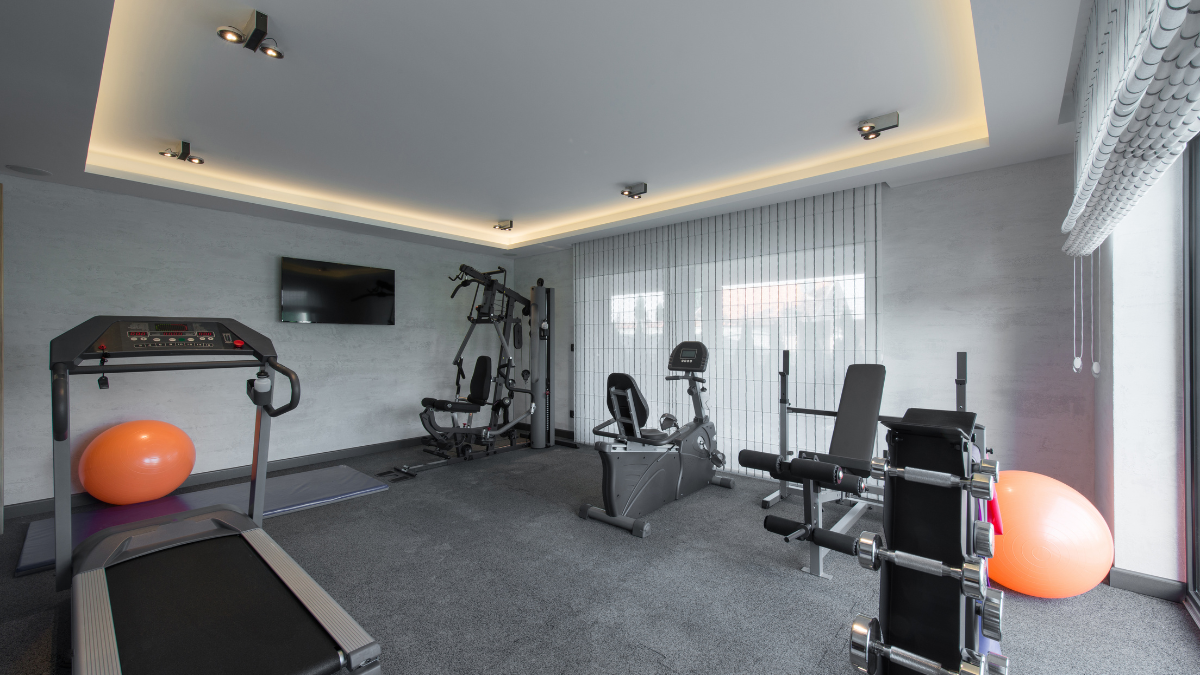
What Home Gym Equipment Do You Need for Effective Daily Workouts
Home gym equipment gives you the freedom to exercise on your schedule without paying recurring membership fees. A well-planned setup can support strength training, cardio sessions, flexibility work, and recovery exercises.
You do not need a large room or an expensive collection of machines. A few carefully selected items can provide effective workouts in a bedroom, garage, spare room, or apartment corner.
Choosing suitable equipment starts with your fitness goals, available space, and budget. This guide explains the main equipment types, key buying factors, safety tips, and simple ways to organize your workout area.
Why Build a Home Gym?
A home gym removes travel time and makes regular exercise easier to fit into your routine. You can train early in the morning, during a lunch break, or after work without adjusting to facility hours.
Working out at home may provide several benefits:
- Greater privacy and comfort
- No waiting for machines
- Lower long-term training costs
- Easier access to short workout sessions
- Full control over equipment cleanliness
- A workout space suited to your goals
Convenience can also support consistency. When your exercise equipment is nearby, fewer obstacles stand between you and your planned session.
Identify Your Fitness Goals First
Your training goals should guide every purchase. Buying popular machines without a clear purpose can waste money and floor space.
For strength training, focus on adjustable dumbbells, resistance bands, a stable bench, and suitable floor protection. For cardio training, select equipment such as a treadmill, exercise bike, rowing machine, or jump rope. Mobility-focused routines may require only a yoga mat, foam roller, and stretching bands.
You can also create a balanced setup that supports several workout styles. Begin with versatile items and add specialized equipment as your routine develops.
Essential Home Gym Equipment for Beginners
Beginners can build an effective training area with a small selection of affordable products.
Exercise Mat
An exercise mat creates a comfortable surface for stretching, yoga, abdominal exercises, and bodyweight movements. Look for a mat with suitable cushioning and a non-slip texture. Thicker mats can help protect your knees and elbows during floor exercises.
Resistance Bands
Resistance bands are lightweight, affordable, and easy to store. You can use them for strength exercises, warm-ups, mobility work, and rehabilitation routines. Band sets with different resistance levels allow you to adjust the difficulty of each movement.
Adjustable Dumbbells
Adjustable dumbbells replace several fixed-weight pairs and help conserve storage space. They can support exercises for your arms, shoulders, chest, back, and legs. Check the locking mechanism carefully before each workout.
Jump Rope
A jump rope provides a compact option for cardiovascular training. It can improve coordination, endurance, and foot speed. Choose an adjustable rope that matches your height and use it on a surface that reduces impact.
Stability Ball
A stability ball can support balance exercises, abdominal training, stretching, and modified strength movements. Select the correct size for your height and confirm that the ball has an anti-burst design.
Strength Training Equipment for Home Workouts
Strength training equipment can help you build muscle, improve joint support, and increase physical capability.
Weight Bench
A sturdy weight bench expands the number of exercises you can perform with dumbbells or a barbell. An adjustable model supports flat, incline, and seated positions.
Check its maximum weight capacity, frame construction, and padding quality before purchasing.
Barbell and Weight Plates
A barbell setup works well for squats, deadlifts, presses, and rows. Olympic-style plates usually have a standard center opening and work with compatible bars. Rubber-coated plates can help reduce noise and protect flooring.
Squat Rack or Power Rack
A squat rack provides support for barbell exercises. A power rack adds safety bars that can catch the bar if you cannot complete a repetition. Measure the ceiling height and available floor area before selecting either option.
Kettlebells
Kettlebells support swings, squats, presses, carries, and conditioning exercises. A single adjustable kettlebell may suit a compact workout area. Choose a handle that feels comfortable and allows a secure two-handed grip.
Pull-Up Bar
A pull-up bar targets your back, shoulders, arms, and abdominal muscles. Doorway models require little storage space, while wall-mounted versions may provide greater stability. Confirm that the mounting surface and frame can safely support your weight.
Cardio Equipment for a Home Gym
Cardio machines can help improve endurance and support calorie-burning workouts. Your available space, preferred activity, and noise restrictions should influence your choice.
Treadmill
A treadmill supports indoor walking, jogging, and running. Useful features include adjustable speed, incline settings, shock absorption, and preset programs. Folding models can suit rooms that serve several purposes.
Exercise Bike
Exercise bikes provide low-impact cardiovascular training. Upright bikes resemble traditional cycling, while recumbent bikes include a supported seating position. Indoor cycling bikes often suit higher-intensity sessions.
Rowing Machine
A rowing machine works your upper body, lower body, and abdominal muscles during one coordinated movement. Magnetic models are often quieter than air-resistance models, making them suitable for shared living spaces.
Elliptical Machine
An elliptical machine provides a low-impact workout that engages your arms and legs. Check stride length, resistance levels, machine dimensions, and ceiling clearance before buying.
Home Gym Equipment for Small Spaces
Limited space does not prevent you from creating a useful exercise area. Choose products that fold, stack, or serve several purposes.
Space-saving options include:
- Adjustable dumbbells
- Foldable workout benches
- Resistance band sets
- Suspension trainers
- Compact exercise bikes
- Doorway pull-up bars
- Stackable weight plates
- Wall-mounted storage racks
Measure your workout area before ordering any large item. Leave enough clearance around each machine so you can exercise safely and move without hitting furniture or walls.
What to Check Before Buying Equipment
Price should not be the only buying factor. Equipment quality directly affects safety, comfort, and long-term value.
Weight Capacity
Check the manufacturer’s stated weight limit. For benches and racks, account for both your body weight and the weights used during training.
Construction Quality
Inspect frame materials, welds, cables, fasteners, padding, and adjustment mechanisms. Steel frames often provide better stability for strength equipment.
Size and Storage
Review the assembled dimensions instead of relying on product photos. Include space for movement, attachments, and safe entry or exit.
Noise Level
Treadmills, rowing machines, and weight plates may produce noise or vibration. Rubber flooring, equipment mats, and careful placement can reduce disruption.
Warranty and Replacement Parts
A clear warranty can protect your purchase if a component fails. Check the coverage for frames, motors, electronics, upholstery, and labor. Replacement parts should be easy to obtain.
Customer Reviews
Verified reviews may reveal concerns involving assembly, stability, noise, durability, or customer support. Focus on recurring feedback instead of isolated complaints.
How to Set a Home Gym Budget
Create a budget based on your training priorities. Start with equipment you expect to use regularly. You can expand your setup later as your strength, experience, and goals change.
A basic setup may include a mat, resistance bands, and adjustable dumbbells. A mid-range gym may add a bench, kettlebells, and a cardio machine. An advanced strength-training area may include a power rack, barbell, plates, and protective flooring.
Used equipment can reduce costs, though every item should be inspected carefully. Check for rust, loose bolts, cracked cables, damaged padding, unstable frames, and missing safety components.
Flooring and Storage Options
Proper flooring protects your equipment, reduces vibration, and creates a safer exercise surface. Rubber tiles or rolled rubber flooring work well beneath weights and machines. Foam tiles may suit stretching and light bodyweight sessions, though they can compress under heavy equipment.
Storage keeps your training area organized and reduces tripping hazards. Wall hooks can hold resistance bands and jump ropes. Dumbbell racks, plate trees, and shelving units can keep heavier items off the floor.
Avoid placing heavy machines on uneven surfaces. Secure tall storage units to the wall when necessary.
Home Gym Safety Tips
Safe training depends on correct equipment setup and responsible use.
- Follow all assembly instructions.
- Tighten bolts and fasteners regularly.
- Inspect cables, bands, and straps for damage.
- Keep children and pets away from unsecured weights.
- Use safety arms or a spotter during heavy barbell exercises.
- Maintain clear walking paths.
- Learn proper exercise form before increasing resistance.
- Stop using equipment that feels unstable or damaged.
Warm up before demanding sessions and allow enough recovery time between workouts. Gradual progress can reduce the risk of strains and overuse injuries.
Cleaning and Maintaining Your Equipment
Regular maintenance helps keep home gym equipment safe and functional. Wipe benches, handles, mats, and touchscreens after use. Use cleaning products approved for each material to prevent damage.
Keep treadmills and exercise bikes free from dust. Lubricate moving parts according to manufacturer instructions. Store resistance bands away from heat and direct sunlight, since both can weaken the material.
Inspect your equipment monthly and address loose components, unusual noises, worn surfaces, or damaged cables promptly.
Creating a Home Gym You Will Use Regularly
Place your equipment in an area that feels comfortable and easy to access. Good lighting, ventilation, and enough movement space can improve your training experience. Keep frequently used items visible and within reach.
Choose equipment that fits activities you genuinely enjoy. A simple setup used consistently can produce better results than an expensive machine that remains untouched.
Build a Practical Workout Space Around Your Goals
Home gym equipment can make regular exercise accessible, private, and convenient. Begin with versatile essentials that match your preferred training style. Check dimensions, safety features, construction quality, and warranty coverage before making a purchase.
A thoughtful setup does not require every available machine. Select reliable equipment, organize it carefully, and maintain it regularly. Your home gym can then support safe and consistent workouts for years.