
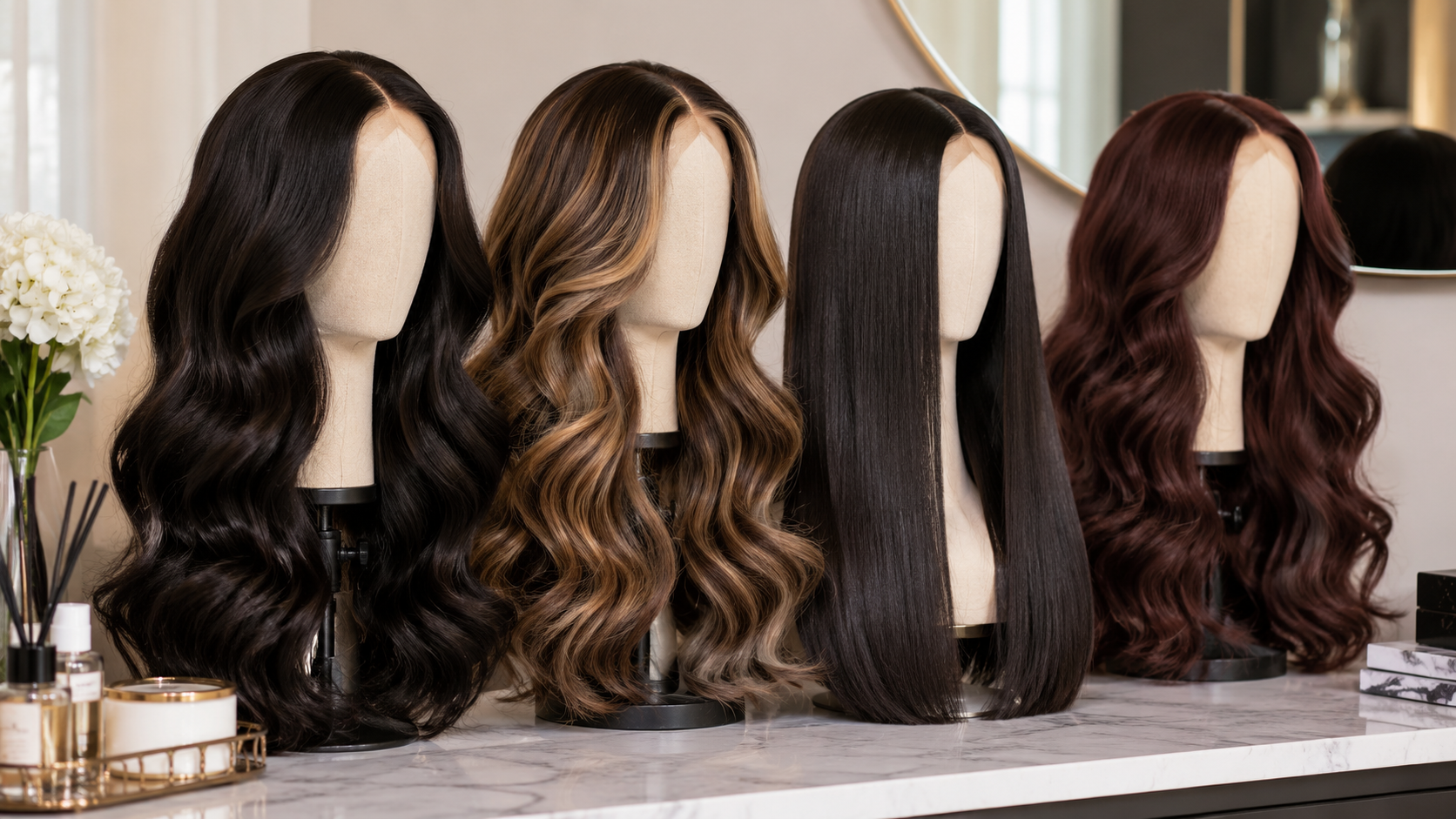
How Human Hair Wigs Can Create a Natural Look for Everyday Wear
Human hair wigs are a popular choice when you want a natural-looking hairstyle with plenty of flexibility.
Because they are made from real human hair, these wigs can offer realistic movement, softness, and styling options that closely resemble natural hair.
You can wear them for everyday styling, special occasions, protective hairstyling, or whenever you want to change your look without making a permanent commitment.
Understanding these details can help you find an option that suits your lifestyle and styling preferences.
What Are Human Hair Wigs?
Human hair wigs are made with real hair rather than synthetic fibers. Depending on the wig, the hair may undergo different levels of processing to achieve a particular color, texture, or finish.
One of the biggest advantages of real human hair is its versatility. You may be able to curl, straighten, wash, and restyle the wig much like natural hair, provided you follow the care instructions.
Human hair wigs are commonly available in styles such as:
- Straight hair
- Body wave
- Loose wave
- Deep wave
- Curly hair
- Kinky curly
- Bob cuts
- Long layered styles
This variety makes it easier to choose a wig that matches your existing style or gives you a completely different look.
Why Human Hair Wigs Look More Natural
One reason human hair wigs remain popular is their realistic appearance. Real hair tends to reflect light more naturally than many synthetic fibers, helping the wig avoid an overly shiny finish.
Individual strands can also move and fall naturally around the face and shoulders. With the right cap construction, hairline design, and density, a human hair wig may blend closely with your natural appearance.
Features that can improve realism include:
- Lace fronts
- Pre-plucked hairlines
- Natural-looking parting areas
- Baby hairs
- Adjustable density
- Carefully matched scalp-colored lace
A well-fitted wig usually looks more convincing than one that is too loose, too tight, or positioned incorrectly.
How to Choose the Right Human Hair Wig
The best human hair wig depends on how you plan to wear it. Some people prioritize styling freedom, while others care more about convenience, comfort, or realistic hairlines.
Choose the Right Hair Texture
Consider the amount of daily styling you want to do.
Straight wigs may require less detangling, while curly or wavy styles can provide more volume and texture. If you prefer a low-maintenance routine, choosing a texture that already matches your preferred hairstyle may save time.
Select a Suitable Length
Human hair wigs are available in everything from short pixie cuts to very long styles.
Shorter wigs are often easier to wash and maintain. Longer wigs provide more styling possibilities but may require extra detangling and conditioning.
Think about your everyday routine before choosing a length.
Consider Hair Density
Density describes how full a wig appears. Lower-density wigs can look lightweight and natural, while higher-density wigs create a fuller appearance.
Your ideal density may depend on your face shape, hairstyle, and personal preference. Extremely high density is not always better because excessive fullness can sometimes make a wig look less realistic.
Understanding Lace Front and Full Lace Wigs
Cap construction plays an important role in the appearance and versatility of human hair wigs.
Lace Front Wigs
A lace front wig includes lace around the front hairline. Individual hairs are attached to this lace, creating the appearance that hair is growing directly from the scalp.
Lace front wigs are popular because they can provide a realistic hairline while remaining relatively easy to wear.
Full Lace Wigs
Full lace wigs use lace across a larger portion of the cap. This construction may offer more freedom when changing your part or styling the hair into certain updos.
They can also require more careful installation and maintenance.
Closure Wigs
Closure wigs generally feature a smaller lace section near the top or front of the wig. They may be a practical choice if you want natural-looking parting without managing a larger lace area.
How Wig Cap Size Affects Comfort
A properly fitted wig can improve both comfort and appearance.
Most wigs are available in common sizes such as small, medium, and large. Some also include adjustable straps or elastic bands.
Before purchasing, measure your head circumference carefully. You may also want to measure:
- Front hairline to nape
- Ear to ear across the forehead
- Ear to ear over the crown
- Temple to temple
- Nape width
A wig that is too tight may feel uncomfortable after several hours. A wig that is too loose may shift during normal movement.
Human Hair Wigs Versus Synthetic Wigs
Both human hair and synthetic wigs have advantages.
Human hair wigs typically offer more styling flexibility and a more natural texture. They may also last longer when properly maintained.
Synthetic wigs, however, can be easier to care for because many are designed to hold their original style after washing. They may also cost less.
Human hair wigs may be better for you if you prioritize:
- Heat styling
- Natural movement
- Custom coloring
- Long-term wear
- Realistic texture
Synthetic wigs may be worth considering if convenience and lower maintenance matter more than styling flexibility.
Can You Style Human Hair Wigs With Heat?
Many human hair wigs can be styled with curling irons, flat irons, or other heated tools.
However, excessive heat can dry out or damage the hair over time. Using lower temperatures whenever possible may help preserve the wig.
Before applying heat:
- Make sure the hair is completely dry.
- Use a heat-protectant product when appropriate.
- Start with a low temperature.
- Avoid repeatedly styling the same section.
- Follow the manufacturer’s care instructions.
Treating your wig gently may help maintain softness and reduce breakage.
Can Human Hair Wigs Be Colored?
Some human hair wigs can be dyed, toned, or highlighted. However, the result depends heavily on the type and condition of the hair.
Hair that has already been heavily processed may not respond well to additional chemical treatments.
If you want a dramatically different color, buying a wig close to your desired shade may reduce the amount of processing required.
Professional coloring may also be worth considering for expensive wigs, especially when bleaching is involved.
How to Wash Human Hair Wigs Properly
Regular cleaning helps remove oils, styling products, dust, and other buildup.
You do not necessarily need to wash your wig after every wear. Washing frequency depends on how often you use it and how much styling product you apply.
A typical washing routine may include:
- Gently detangle the wig before washing.
- Use lukewarm water rather than very hot water.
- Apply a mild shampoo designed for human hair.
- Avoid aggressive rubbing or twisting.
- Rinse thoroughly.
- Apply conditioner mainly to the mid-lengths and ends.
- Rinse again and gently remove excess water.
- Allow the wig to air-dry whenever possible.
How to Prevent Tangling and Dryness
Human hair wigs do not receive natural scalp oils in the same way that growing hair does. As a result, they may become dry over time.
Regular conditioning can help maintain softness.
You can also reduce tangling by:
- Brushing gently from the ends upward
- Using a wide-tooth comb when needed
- Minimizing friction against rough fabrics
- Avoiding sleeping in the wig when possible
- Storing it properly between wears
- Using lightweight leave-in products sparingly
Using too much oil or styling product can create buildup, so moderation is important.
How to Store a Human Hair Wig
Proper storage helps preserve the shape and condition of your wig.
A wig stand or mannequin head can help maintain the cap shape and prevent unnecessary tangling. Keep the wig away from excessive sunlight, humidity, and heat.
If you need to store it for a longer period, make sure the hair is completely dry before placing it in a clean protective bag or box.
Gently detangle it first so knots do not become more difficult to remove later.
What Makes a Human Hair Wig High Quality?
Price alone does not determine quality.
When comparing human hair wigs, look closely at details such as:
- Hair consistency
- Minimal shedding
- Secure knots
- Natural hairline construction
- Soft lace
- Even density
- Strong cap construction
- Accurate length
- Hair that remains manageable after washing
Product descriptions can provide useful information, but customer photos and detailed reviews may also help you understand how a wig performs during real-world use.
How Long Can Human Hair Wigs Last?
There is no single lifespan that applies to every wig.
How long a human hair wig lasts depends on hair quality, frequency of wear, styling habits, washing routine, chemical treatments, and storage.
A wig worn only occasionally may remain in good condition much longer than one worn every day.
Gentle handling, proper conditioning, moderate heat use, and careful storage can all help extend its usable life.
Choosing Human Hair Wigs for Everyday Wear
If you plan to wear your wig regularly, comfort should be just as important as appearance.
Look for breathable cap materials, secure adjustable straps, and a size that fits properly. You may also prefer a manageable length and texture that does not require extensive styling every morning.
A realistic everyday wig does not necessarily need extreme density or complicated styling. Simple construction and a natural hairline can often create a polished result.
Choosing the Right Human Hair Wig for Your Style
The best option is one that fits your head comfortably, matches your preferred texture, and works with the amount of maintenance you are willing to do.
Before choosing a wig, compare the cap construction, length, density, lace type, and hair quality rather than focusing only on the hairstyle shown in product photos.
With regular conditioning, careful washing, sensible heat styling, and proper storage, human hair wigs can remain soft, manageable, and versatile for repeated wear.
Taking a little time to understand how different wigs are constructed can make it much easier to choose a style that looks natural and fits comfortably into your everyday routine.