
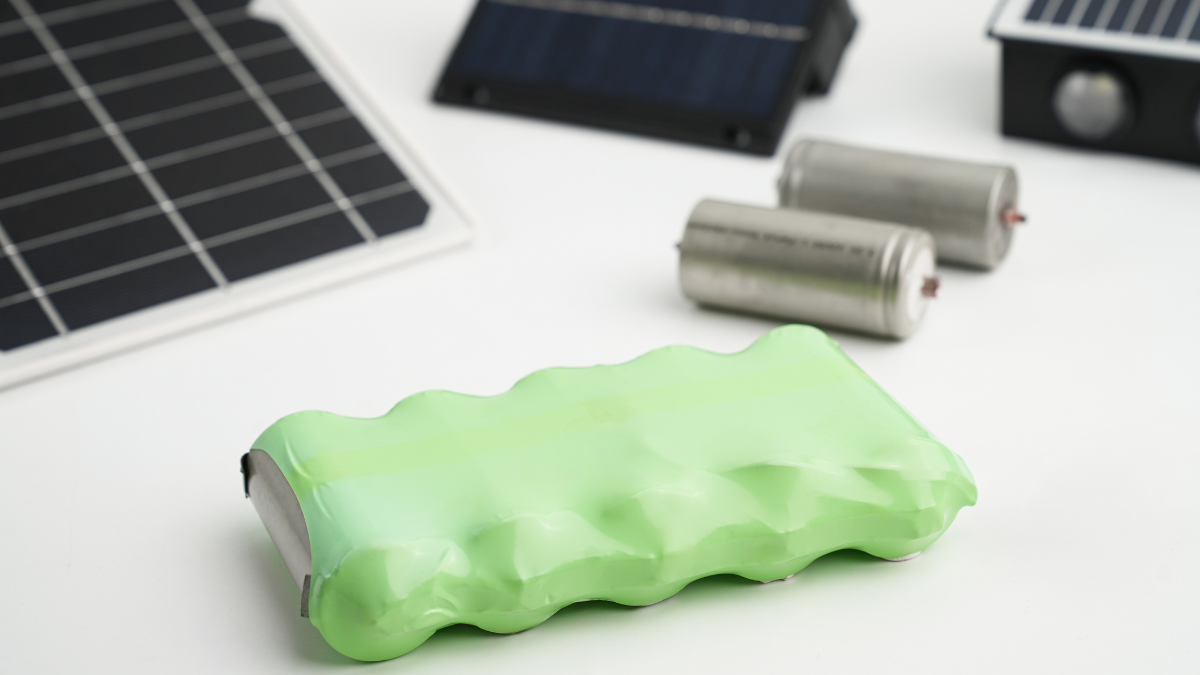
What Makes LiFePO4 Batteries a Smart Choice for Modern Power Systems
LiFePO4 batteries have become a popular choice for reliable energy storage. Also known as lithium iron phosphate batteries, they deliver steady power, long service life, and strong thermal stability.
Compared with traditional lead-acid batteries, LiFePO4 models are lighter and require little maintenance. Their ability to handle frequent charging cycles makes them suitable for daily use and long-term energy projects.
What Are LiFePO4 Batteries?
LiFePO4 batteries are rechargeable lithium-ion batteries that use lithium iron phosphate as the cathode material. This chemistry provides a stable internal structure that can tolerate regular charging and discharging.
A battery management system, commonly called a BMS, monitors voltage, temperature, and electrical current. It can disconnect the battery when it detects unsafe operating conditions, such as excessive charging or a short circuit.
Main Benefits of LiFePO4 Batteries
Long Cycle Life
Cycle life refers to the number of charge and discharge cycles a battery can complete before its usable capacity declines significantly. Many LiFePO4 batteries can handle thousands of cycles when used within the manufacturer’s recommended limits.
This extended lifespan can reduce the need for frequent battery replacement.
Consistent Power Output
LiFePO4 batteries maintain a relatively steady voltage during discharge. Connected devices can receive stable power until the battery approaches a low state of charge.
This performance suits equipment that requires dependable voltage, including refrigerators, lighting systems, medical devices, and communication tools.
Lightweight Construction
A LiFePO4 battery typically weighs less than a lead-acid battery with comparable usable capacity. Lower weight can benefit RVs, boats, portable power stations, and mobile work equipment.
Reduced weight may also make transportation and installation easier.
Strong Thermal Stability
Lithium iron phosphate chemistry is known for its stable thermal characteristics. It has a lower risk of thermal runaway than several other lithium-ion chemistries when properly designed and operated.
However, safe installation remains necessary. You should always follow the voltage, temperature, wiring, and charging requirements provided by the manufacturer.
Low Maintenance Requirements
LiFePO4 batteries do not require water refilling or regular acid-level checks. A compatible charger and properly configured BMS usually handle the main charging and protection functions.
Routine inspections should still include checking cables, terminals, ventilation, and physical condition.
Common Uses for LiFePO4 Batteries
Solar Energy Storage
LiFePO4 batteries can store electricity generated by solar panels during daylight hours. You can then use the stored energy at night, during cloudy periods, or during a power interruption.
Their long cycle life suits solar systems that charge and discharge regularly.
Recreational Vehicles and Camper Vans
An RV battery system may power lights, appliances, fans, pumps, and charging ports. LiFePO4 batteries provide high usable capacity without the heavy construction associated with many lead-acid units.
Cold-weather charging protection may be necessary if you travel in low-temperature locations.
Marine Applications
Boats can use lithium iron phosphate batteries for house power, trolling motors, navigation equipment, and onboard electronics. Marine installation requires secure mounting, corrosion-resistant connections, and equipment rated for the intended environment.
Backup Power Systems
LiFePO4 batteries can support essential devices during power outages. They are commonly paired with inverters or portable power stations for home offices, security equipment, internet routers, and emergency lighting.
Portable Equipment
The high energy capacity and manageable weight of these batteries make them practical for portable tools, camping systems, field equipment, and mobile workstations.
LiFePO4 Batteries Versus Lead-Acid Batteries
| Feature | LiFePO4 Battery | Lead-Acid Battery |
|---|---|---|
| Weight | Lighter | Heavier |
| Cycle life | Usually longer | Usually shorter |
| Maintenance | Minimal | May require regular checks |
| Usable capacity | Higher percentage of rated capacity | Discharge depth is often limited |
| Initial price | Usually higher | Usually lower |
| Charging speed | Often faster | Often slower |
| Voltage stability | Consistent during discharge | Gradually declines during discharge |
A lead-acid battery can still suit projects with limited budgets or infrequent use. A LiFePO4 battery may provide stronger long-term value when you need regular cycling, lower weight, and dependable performance.
How to Select the Right Battery
Check the Required Capacity
Battery capacity is measured in amp-hours. Estimate how much electricity your devices consume and how long they need to operate between charging sessions.
For an accurate calculation, review both amp-hours and watt-hours. Watt-hours help you compare batteries operating at different voltages.
Match the System Voltage
Choose a battery that matches your system’s voltage, such as 12V, 24V, or 48V. Using an incompatible voltage can damage connected equipment or prevent the system from operating correctly.
Review Continuous and Peak Current
Continuous current indicates how much power the battery can safely deliver over time. Peak current refers to short bursts required by equipment such as pumps, compressors, and motors.
Your battery and BMS should support both requirements.
Confirm Charger Compatibility
Chargers designed for lead-acid batteries may use charging profiles that are unsuitable for LiFePO4 batteries. Use a charger with a lithium iron phosphate setting or a profile approved by the battery manufacturer.
Check Temperature Protection
Charging a LiFePO4 battery below its approved temperature range can cause permanent damage. A low-temperature cutoff can stop charging until conditions become safe.
Heating features may help in cold climates, especially in RV, marine, and outdoor installations.
Tips for Safe Battery Use
Follow these basic practices to protect your battery and connected equipment:
- Use properly sized cables, fuses, and circuit breakers.
- Keep terminals clean, tight, and protected from accidental contact.
- Install the battery in a dry and secure location.
- Avoid crushing, puncturing, or dropping the battery.
- Use chargers and inverters approved for LiFePO4 chemistry.
- Monitor the battery for swelling, unusual heat, odors, or physical damage.
- Follow the manufacturer’s limits for charging, discharging, and storage.
- Have high-capacity systems installed by a qualified technician.
Caring for LiFePO4 Batteries
Store the battery in a cool, dry place away from direct heat. If the battery will remain unused for an extended period, follow the manufacturer’s recommended storage charge level.
Avoid leaving a deeply discharged battery in storage. Check its charge periodically and inspect the casing, cables, and terminals for damage.
Software-enabled batteries may provide information through a mobile app or display. This data can help you track voltage, current, temperature, charge status, and remaining capacity.
Are LiFePO4 Batteries Worth Buying?
LiFePO4 batteries can be a smart investment if you need frequent charging cycles, dependable output, lower weight, and minimal maintenance. Their higher purchase price may be balanced by a longer lifespan and greater usable capacity.
Select a battery based on your actual energy needs, operating temperature, equipment demands, and charging setup. Proper sizing and installation can help your LiFePO4 battery provide safe and reliable power for years.