
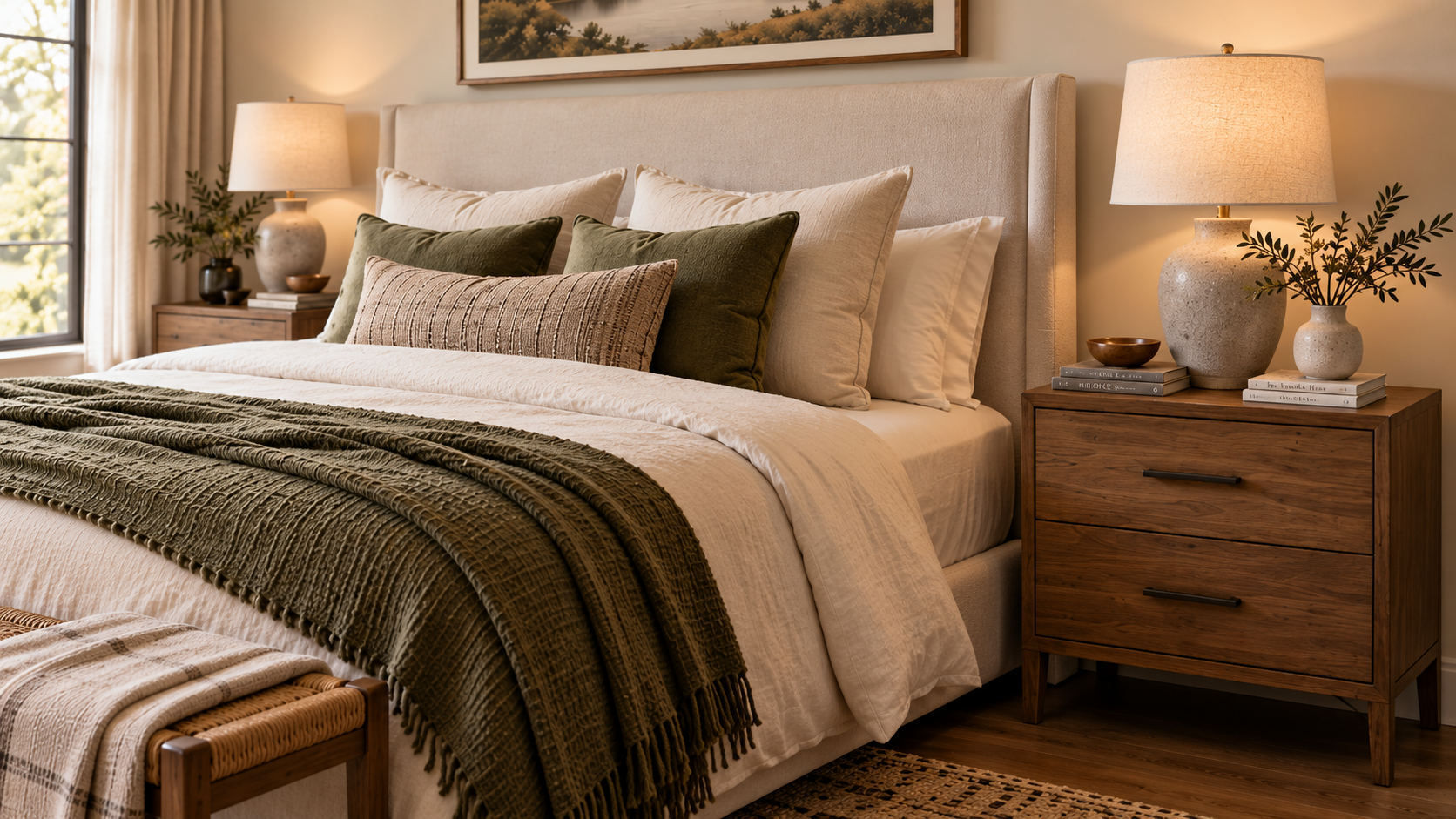
How to Choose Nightstands That Fit Your Bedroom Space and Style
Positioned beside the bed, they give you an easy place to keep everyday essentials such as a lamp, phone, book, alarm clock, or glass of water within reach.
With so many sizes, materials, storage options, and designs available, choosing the right nightstand involves more than simply matching it to your bed.
The best option should fit your space, support your storage needs, and complement the overall style of your bedroom.
What Are Nightstands and Why Are They Useful?
Nightstands are compact bedside tables designed to provide convenient storage and surface space next to your bed. Some feature simple tabletops, while others include drawers, shelves, cabinets, or built-in charging features.
Their main purpose is convenience. Instead of getting out of bed to reach commonly used items, you can keep them close by. Nightstands may also help reduce clutter by giving smaller belongings a dedicated place.
Beyond function, bedside furniture can help create a more balanced bedroom layout, especially when matching nightstands are placed on both sides of the bed.
Different Types of Nightstands
Nightstands come in several designs, making it easier to find one suited to your room and lifestyle.
Traditional Nightstands
Traditional designs often include one or more drawers and a sturdy tabletop. They work well when you want hidden storage for personal belongings.
Open-Shelf Nightstands
Open shelving creates a lighter appearance and provides easy access to books, decorative baskets, or other frequently used items.
Floating Nightstands
Floating nightstands are mounted directly to the wall instead of sitting on the floor. They can be especially useful in compact bedrooms because they help free up visible floor space.
Cabinet Nightstands
Cabinet-style models offer enclosed storage behind a door. These may be helpful if you prefer keeping clutter out of sight.
Minimalist Bedside Tables
Simple bedside tables with slim legs and clean surfaces can complement modern, contemporary, or Scandinavian-inspired interiors.
How to Choose the Right Nightstand Size
Size is one of the most important factors when selecting nightstands.
Ideally, the top surface should sit close to the height of your mattress. This makes it easier to reach items while lying in bed. A nightstand that sits significantly lower or higher may feel less convenient.
You should also measure the available space beside your bed before choosing furniture. Consider:
- Nightstand width
- Overall height
- Depth
- Drawer clearance
- Walking space around the furniture
- Distance from nearby doors or closets
For smaller bedrooms, narrow nightstands may provide enough surface space without making the room feel crowded.
Consider Your Storage Needs
The right storage configuration depends on what you normally keep beside your bed.
If you only need space for a lamp and phone, a simple table may be enough. If you keep books, medications, chargers, glasses, or personal items nearby, drawers or cabinets may provide better organization.
Open shelves can make frequently used items easier to access, while drawers may help create a cleaner appearance by hiding smaller objects.
Popular Materials for Nightstands
The material you choose can affect appearance, durability, maintenance, and overall bedroom style.
Wood
Wood nightstands remain popular because they work with many interior styles. Natural wood grain can add warmth and texture to the bedroom.
Engineered Wood
Engineered wood furniture may provide an affordable alternative while offering many colors and finishes.
Metal
Metal nightstands can create an industrial, minimalist, or modern look. They are often durable and relatively easy to maintain.
Glass
Glass-topped tables can help a bedroom appear lighter and more open, although they may require regular cleaning to remove fingerprints and dust.
Mixed Materials
Some nightstands combine wood, metal, glass, or woven materials to create additional visual interest.
How Nightstands Can Improve Bedroom Organization
Bedside clutter can quickly make a bedroom feel disorganized. Nightstands provide designated storage areas for smaller everyday items.
Drawers may hold chargers, notebooks, reading glasses, or personal accessories, while shelves can store books or decorative baskets.
Keeping the tabletop relatively clear may also make your sleeping area feel calmer and easier to maintain.
A simple arrangement might include:
- A bedside lamp
- A phone or alarm clock
- One decorative object
- A small tray for loose items
- A book or journal
Limiting the number of items on display can help prevent the surface from becoming overcrowded.
Choosing Nightstands for Small Bedrooms
Limited bedroom space does not necessarily mean you have to skip bedside furniture.
Furniture with drawers can also help reduce the need for additional storage pieces elsewhere in the room.
Before buying, measure carefully and leave enough room to move comfortably around the bed.
Matching Nightstands With Your Bedroom Style
Your nightstands do not have to match every piece of furniture exactly. Instead, focus on creating visual harmony through similar materials, shapes, colors, or finishes.
For example:
- Modern bedrooms may suit clean lines and neutral finishes.
- Rustic bedrooms may pair well with natural or distressed wood.
- Industrial spaces can benefit from metal frames and darker finishes.
- Traditional bedrooms may work with detailed wood furniture.
- Scandinavian-inspired rooms often feature simple shapes and lighter wood tones.
Mixing furniture styles can also work well when the pieces share one or two common design elements.
Should You Use Matching Nightstands?
Matching nightstands can create symmetry, especially when placed on both sides of a larger bed. This arrangement often gives the bedroom a balanced and coordinated appearance.
However, matching furniture is not required.
Different nightstands can still look intentional when they share similar heights, colors, materials, or proportions. This approach may give the room a more relaxed or personalized appearance.
Features to Look for When Buying Nightstands
Modern nightstands may include additional features designed for convenience.
Depending on your needs, consider options such as:
- Built-in USB charging ports
- Electrical outlets
- Soft-close drawers
- Adjustable shelves
- Cable management openings
- Integrated lighting
- Elevated legs for easier floor cleaning
Focus on features you are likely to use regularly rather than choosing unnecessary extras.
How to Style Nightstands Without Creating Clutter
Good nightstand styling combines decoration with practical function.
Start with one main item, such as a lamp. Add only a few smaller accessories to create visual interest without overcrowding the tabletop.
You might use a small plant, framed photo, decorative tray, candle, or stack of books.
Different object heights can make the arrangement look more balanced. However, leave enough open space for the items you use every day.
Caring for Your Nightstands
Regular maintenance can help bedside furniture stay attractive for longer.
Dust surfaces frequently using a soft cloth. Clean spills quickly, especially on wood or engineered wood furniture.
Always follow the manufacturer’s cleaning recommendations because certain finishes may require specific products.
You can also use coasters beneath drinks to help protect surfaces from moisture rings, scratches, or stains.
Making the Most of Your Bedroom With Functional Nightstands
The best choice depends on your room size, mattress height, storage needs, and preferred design style.
Before selecting a nightstand, measure the available space and think about what you normally keep beside your bed.
A well-chosen design can make everyday items easier to reach while helping your bedroom feel cleaner, more organized, and visually balanced.