
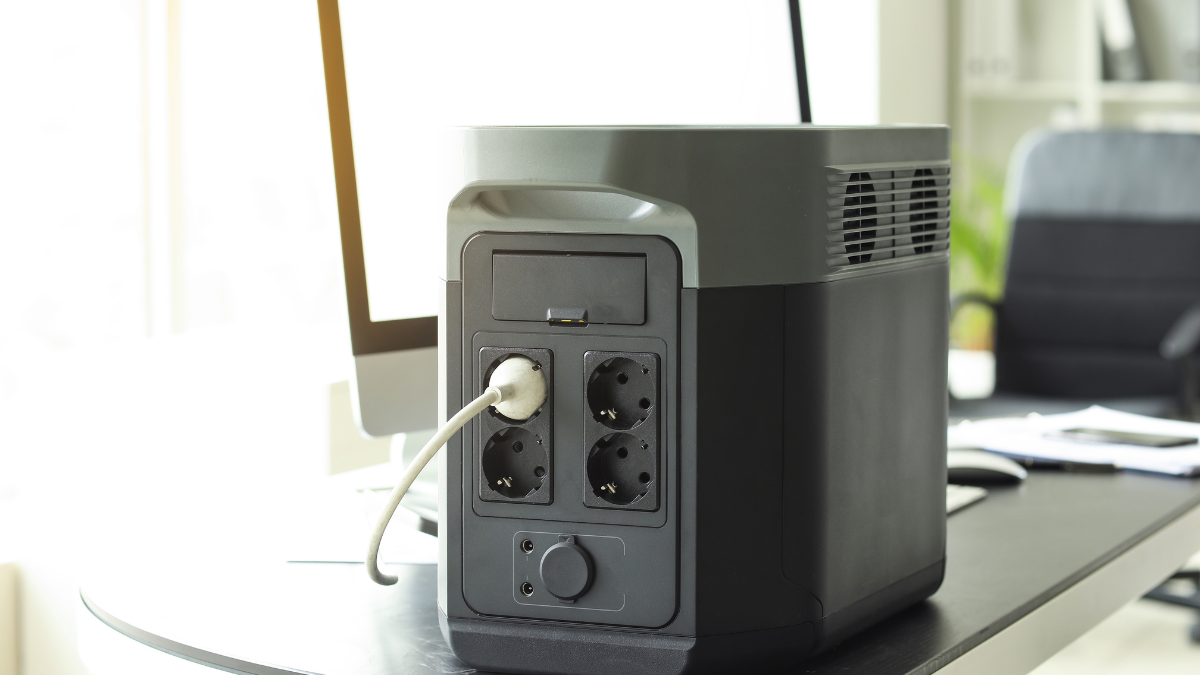
How to Choose Portable Power Stations for Your Everyday Energy Needs
Portable power stations give you convenient access to electricity during camping trips, road travel, outdoor work, and household outages. These rechargeable units can run or charge many everyday devices without fuel, fumes, or excessive noise.
Different models support different energy needs. Some compact units are designed for phones, lights, and laptops. Larger systems may operate refrigerators, televisions, power tools, and selected household appliances.
What Is a Portable Power Station?
A portable power station is a rechargeable battery system with built-in electrical outlets and charging ports. It stores energy that you can use when a wall outlet is unavailable.
Most units include several connection options:
- Standard AC outlets
- USB-A and USB-C ports
- 12-volt vehicle sockets
- DC output ports
- Solar charging inputs
Unlike fuel-powered generators, portable battery units do not produce exhaust fumes during operation. This makes them suitable for indoor use when the manufacturer’s safety instructions are followed.
How Portable Power Stations Work
A portable power station stores electrical energy inside its battery. Its inverter converts stored direct current into alternating current for compatible household devices.
You can usually recharge the battery through a wall socket, vehicle outlet, or compatible solar panel. Some systems support combined charging methods, which may reduce charging time.
Once charged, the station supplies power through its available ports. The operating time depends on its battery capacity, connected devices, inverter efficiency, and overall energy use.
Common Uses for Portable Power Stations
Portable power stations can support many activities and emergency situations.
Home Backup Power
A power outage can interrupt lighting, communication, food storage, and remote work. A suitable power station may keep essential devices running until electricity returns.
You can use it for items such as:
- Wi-Fi routers
- Smartphones
- Laptops
- LED lamps
- Fans
- Medical equipment approved for compatible backup use
- Refrigerators within the unit’s output rating
Always check the starting and running wattage of every appliance before connecting it.
Camping and Outdoor Recreation
Camping becomes easier when you have dependable energy for lights, cooking equipment, phones, cameras, and portable refrigerators.
Battery-powered stations operate quietly, helping you avoid the constant engine noise associated with traditional generators.
Solar panels can provide a practical recharging option during extended outdoor stays. Charging performance depends on available sunlight, panel placement, weather, and system compatibility.
Road Trips and Campervan Travel
A portable power station can help you charge electronics and operate small appliances while travelling. It may power a laptop, electric cooler, camera battery, or compact cooking device.
Choose a model that fits safely inside your vehicle and remains within its recommended operating temperature. Secure the unit before driving to prevent movement or damage.
Remote Work
Working away from a fixed office requires dependable power. A compact station can support your laptop, mobile devices, portable monitor, and internet equipment.
Check the total wattage of your work setup. This helps you estimate how long the battery may last during a normal working day.
Outdoor Projects
Portable energy can support tools used for repairs, construction, gardening, and maintenance. However, many power tools need high starting wattage. Confirm that the station’s continuous and surge ratings meet the tool’s requirements.
Key Features to Check Before Buying
Battery Capacity
Battery capacity is commonly measured in watt-hours. A higher watt-hour rating generally means the unit can supply energy for a longer period.
To estimate basic runtime, divide the battery capacity by the device’s wattage. The actual result will usually be lower because of energy conversion losses and operating conditions.
Continuous and Surge Output
Continuous output shows how much power the station can provide during normal operation. Surge output indicates the brief power increase available when certain appliances start.
Refrigerators, pumps, and power tools may require a strong startup surge. Check both ratings before connecting high-demand equipment.
Battery Chemistry
Many current portable power stations use lithium-ion or lithium iron phosphate batteries. Lithium iron phosphate batteries are often selected for their thermal stability and long cycle life.
Battery lifespan still depends on charging habits, temperature, storage conditions, and frequency of use.
Charging Methods
Flexible charging methods can make a power station easier to use. Common options include AC charging, vehicle charging, and solar charging.
Port Selection
Review every device you plan to connect. A suitable unit should provide the correct number and type of ports.
USB-C power delivery can be helpful for compatible laptops and mobile devices. AC outlets are needed for appliances using standard plugs.
Weight and Portability
Large-capacity batteries can be heavy. Handles and wheels may improve transport, especially for home backup systems or outdoor events.
A small unit may be easier to carry, while a larger one may provide longer operating time. Your preferred balance depends on the devices you need to power.
How to Choose the Right Capacity
Start by listing every device you may use. Write down each item’s running wattage and expected operating time.
Multiply the wattage by the number of hours used. This provides an estimated watt-hour requirement.
For example, a 50-watt device operating for four hours requires approximately 200 watt-hours before efficiency losses. Leave extra capacity for inverter losses, unexpected use, and battery protection limits.
Avoid choosing capacity based only on size or price. Your actual energy requirements should guide the decision.
Safe Use and Storage Tips
Place the power station on a stable, dry, and ventilated surface. Keep it away from direct heat, moisture, and flammable materials.
Follow these basic safety practices:
- Do not exceed the rated output.
- Use compatible charging cables and solar panels.
- Inspect cords and ports before use.
- Keep ventilation openings clear.
- Avoid exposing the unit to rain unless it has suitable protection.
- Store it within the recommended temperature range.
- Recharge it according to the manufacturer’s storage guidance.
- Keep it away from children and pets.
Never connect a power station directly to household wiring unless a qualified professional installs an approved transfer system.
Maintaining Battery Performance
Proper care can help preserve battery performance. Avoid storing the station completely empty for extended periods. Check its charge level regularly when it is not being used.
Extreme temperatures can affect charging speed, usable capacity, and battery health. Store the unit in a cool, dry location according to its operating manual.
Install firmware updates when the system supports app-based controls. Updates may improve monitoring, charging behaviour, and device compatibility.
Powering Essential Devices With Greater Confidence
Portable power stations can provide clean, quiet, and convenient energy during outages, travel, remote work, and outdoor activities. The best option should match your required capacity, device wattage, charging preferences, and portability needs.
Review technical specifications carefully before buying. A properly sized unit can help you keep essential devices powered whenever access to a standard outlet is limited. EcoFlow France presents this product category as rechargeable power for household backup and outdoor use. EcoFlow France portable power stations.