
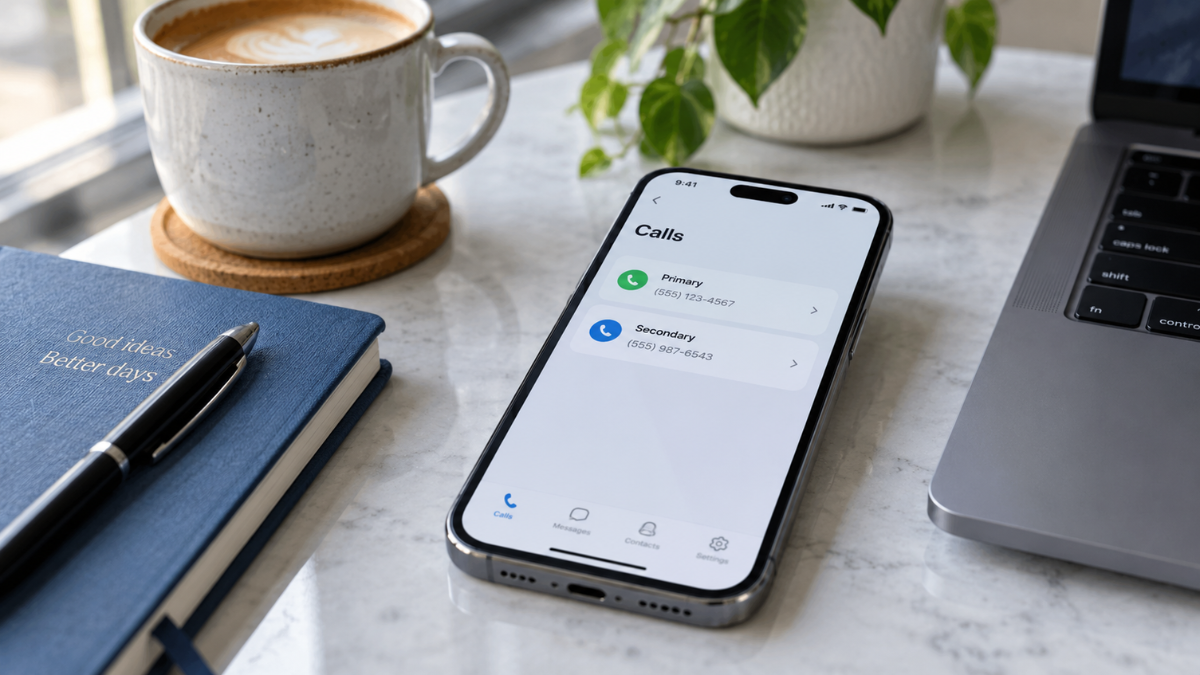
Why a Second Phone Number Can Improve Privacy and Call Management
A second phone number helps you separate personal calls from work, online accounts, shopping inquiries, and other daily activities.
Instead of sharing your primary number with every contact or website, you can use another number for situations that may expose you to unwanted calls or messages.
Modern phone number services make this setup simple. Many options work through a mobile app, so you may use two numbers on one device without purchasing another phone.
What Is a Second Phone Number?
A second phone number is an additional number used alongside your primary mobile number. It may come from a traditional SIM card, an eSIM, or an internet-based calling service.
Calls and messages sent to the additional number usually appear inside a dedicated app or within your phone’s standard communication tools.
Depending on the provider, the number may support voice calls, text messages, voicemail, call forwarding, and international communication.
You can keep your primary number for family and trusted contacts while using the additional number for public or professional communication.
Why Use a Second Phone Number?
Sharing one number across personal, professional, and online activities may create privacy and organization problems. An extra number provides a clear separation between different types of communication.
Protect Your Personal Privacy
Online marketplaces, delivery services, social platforms, and public listings may request a phone number. Using your main number can expose it to unknown individuals or marketing databases.
A secondary number limits access to your private contact details. If the number begins receiving spam, you may block callers or replace the number without affecting your primary account.
Separate Work and Personal Calls
Freelancers, contractors, remote workers, and small business owners often receive calls outside regular working hours. A dedicated business number makes it easier to identify work-related communication.
Some services allow you to set business hours or send calls directly to voicemail after a chosen time. This helps you maintain boundaries without carrying a separate device.
Manage Online Buying and Selling
Selling products through classified websites or social media often requires direct communication with buyers. A temporary or secondary number allows interested buyers to contact you without receiving your private number.
After completing a sale, you can stop using the number or disable incoming calls. This reduces the chance of receiving unwanted messages later.
Handle Dating and Social Contacts Safely
Giving your primary number to a new contact can feel risky. A separate number lets you communicate while keeping personal details private.
If communication becomes uncomfortable, you can block the contact without changing the phone number used by family, friends, banks, and other trusted services.
Create a Dedicated Customer Contact Line
A small business may use a second number for customer questions, bookings, and service requests. A professional contact line can help customers reach the business without calling an employee’s private number.
Features such as custom voicemail greetings, automated replies, and call routing may improve response management.
How Does a Second Phone Number Work?
The setup depends on the type of number you select.
App-Based Numbers
App-based services use an internet connection to send texts and make calls. You download the provider’s app, select an available number, and choose a payment plan if required.
These services usually work through Wi-Fi or mobile data. Call quality may depend on the strength of your connection.
Dual-SIM and eSIM Numbers
Many current smartphones support two SIM cards or a physical SIM paired with an eSIM. This setup allows both numbers to operate through the phone’s standard calling and messaging apps.
A dual-SIM setup may suit users who need reliable mobile service for both personal and business communication. Each line may require its own carrier plan.
Call-Forwarding Numbers
A forwarding number receives calls and redirects them to your main phone. Callers only see the forwarding number, which keeps your personal contact information private.
Some providers include voicemail transcription, call recording, extensions, and automated greetings.
Features to Check Before Choosing a Service
Phone number services differ in pricing, availability, and functionality. Review the following features before signing up:
- Local area code availability
- Voice calling and text messaging
- Picture and group messaging support
- Voicemail and transcription
- Spam filtering and call blocking
- Call forwarding
- Desktop or web access
- International calling rates
- Number portability
- Monthly or yearly fees
- Customer support
- Privacy and data policies
Check if the provider recycles inactive numbers. A recycled number may have belonged to another user, which can lead to occasional calls or account verification issues.
Free Versus Paid Phone Number Services
Free services can be useful for casual communication, short-term listings, or limited calling. However, they may display advertisements, restrict features, or reclaim numbers after periods of inactivity.
Paid plans commonly include dependable access, customer support, voicemail tools, call forwarding, and expanded messaging features. They may suit professional users who need to keep the same number for a long period.
Can You Use It for Account Verification?
Some websites accept internet-based numbers for verification, while others require a mobile carrier number. Banks, payment platforms, and security-sensitive services may reject virtual numbers.
Avoid relying on a temporary number for an important account. Losing access to that number could make password recovery difficult. Use a stable carrier number for banking, government services, and primary email security when required.
Is a Second Phone Number Safe?
A second number can support privacy, though it does not guarantee complete anonymity. Service providers may store call records, account details, and device information.
Choose a reputable provider with clear privacy terms and security controls. Protect the account with a strong password and two-factor authentication when available.
Never use an additional number to impersonate another person, send deceptive messages, or avoid legal responsibilities. The number should support lawful and responsible communication.
Tips for Managing Two Phone Numbers
Label each line clearly so you know which number receives a call or message. Use separate voicemail greetings for personal and business contacts. You can also assign different notification sounds to each line.
Share the secondary number only for its intended purpose. For example, keep one number for customers and another for personal contacts. Review missed calls regularly and block suspicious numbers as soon as they appear.
If you stop using the service, update any connected accounts before canceling the number. This prevents account recovery codes from being sent to a number you no longer control.
Maintain Better Privacy Across Calls, Messages, and Online Accounts
A second phone number can protect your primary contact details, organize calls, and create a separate line for work or public communication. App-based numbers suit flexible use, while dual-SIM and eSIM options provide carrier-based reliability.
Compare costs, privacy policies, supported features, and number retention rules before signing up. A well-managed secondary number can reduce unwanted calls and keep different parts of your daily communication properly separated.