
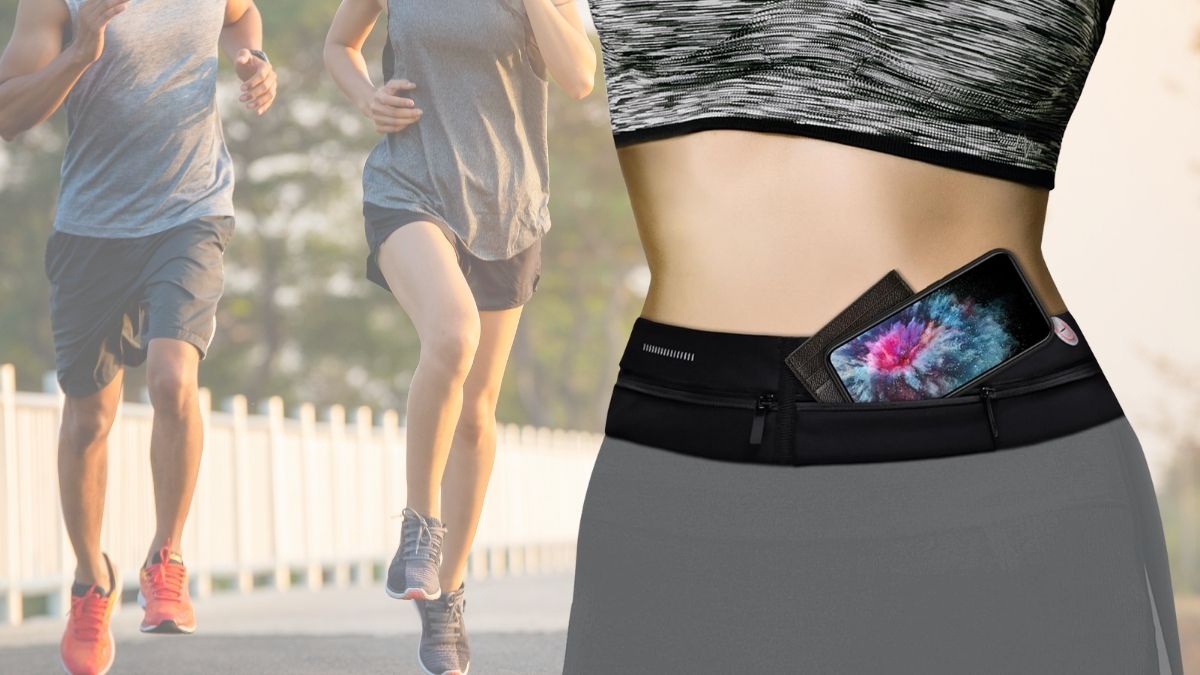
Slim Running Belt Waist Pack Bag: A Lightweight Carry Solution for Active Lifestyles
If you’ve ever gone for a run while juggling your phone, keys, and maybe a gel packet, you know exactly how distracting it can be.
As someone who’s tried bulky packs, clip-on pouches, and the classic “stuff it in your pocket” approach, switching to a slim running belt felt like a breath of fresh air. These minimalist waist packs have quickly earned a loyal following among runners, walkers, travelers, and gym-goers who want practicality without added bulk.
Before diving into product features and considerations, let’s walk through why slim running belts have become so popular.
Why Slim Running Belts Appeal to Minimalist Runners
Unlike traditional fanny packs, slim running belts are designed specifically for motion-heavy activities. Their low-profile shape allows you to move freely without the annoying bounce that disrupts your stride. Many runners appreciate that they weigh just a few ounces—light enough that you forget you’re wearing one.
The appeal goes deeper than convenience. Fitness enthusiasts increasingly prioritize gear that doesn’t alter biomechanics. A snug, streamlined belt protects your essentials while letting you maintain natural posture and balance. And for those who dislike visual clutter, the discreet design earns bonus points for aesthetic simplicity.
What Sets These Belts Apart
Slim running belts differ from other carrying solutions in several ways:
- Bounce-free construction that stays flush against the body
- Ultra-lightweight materials (often under 3 ounces)
- Minimalist storage for only what you truly need
- Even weight distribution for balanced movement
- Low visual footprint when worn under or over clothing
They’re not trying to replace hydration packs or large pouches—they’re designed for essentials only.
Key Features Worth Paying Attention To
A slim running belt fits effortlessly into active and everyday routines, offering a simple solution for carrying essentials without bulk.
Material Quality
Most high-quality belts use water-resistant material to protect your phone from sweat and light rain. While not fully waterproof, the added resistance is essential for outdoor training.
Adjustable Fit
Look for a belt with a generous adjustable range—commonly 24 to 42 inches—to ensure a comfortable, secure fit whether you’re running shirtless or bundled in layers.
Secure Closures
Zippered pockets offer the best protection, though elastic-entry pockets appeal to people who want quicker access during workouts.
Safety Features
Reflective strips or logos improve visibility in low-light conditions, something early-morning and evening runners should consider essential.
Comfort Details
Flat seams, soft-touch fabric, and stretch panels help reduce chafing. These might seem like minor details, but over several miles, they make a noticeable difference.
Comparison Snapshot (Feature Overview in a Bullet Format Instead of a Table)
- Best for: Running, walking, gym sessions, travel, festivals
- Storage capacity: Essentials only (phone, key, card, gel)
- Weight: Typically 2–3 oz
- Protection level: Sweat-resistant/light rain protection
- Ideal phone size: Standard and mid-size phones; large models may be tight
- Comfort: High, when fitted correctly
Best Everyday Uses for a Slim Running Belt
A slim running belt fits effortlessly into active and everyday routines, offering a simple solution for carrying essentials without bulk.
Running & Jogging
Its unobtrusive, molded fit allows you to maintain form without distraction.
Gym Workouts
You can keep your phone on you without leaving it on the floor or wedging it into a machine.
Travel & Security
Slipped under clothing, it becomes a discreet anti-theft pouch.
Casual Walks
Perfect for taking essentials without needing a bag or pocket-heavy outfit.
Hiking Short Trails
Useful when you want access to snacks, ID, or small personal items without carrying a full pack.
Events & Festivals
The slim design keeps essentials close in crowded spaces.
Considerations and Limitations
Even with their advantages, slim running belts are not ideal for every situation:
- Limited storage means they can’t replace a hydration or adventure pack.
- Minimal organization—usually one or two pockets, no dividers.
- Not fully waterproof, so heavy rain can still reach electronics.
- Durability varies with budget models; cheaper stitching can wear out quickly.
- Plus-sized phones may fit tightly or not at all depending on the model.
- Endurance athletes may need more capacity than these belts are meant to offer.
These limitations aren’t flaws—they reflect the belt’s focused purpose. But knowing them helps you choose wisely.
How to Choose the Right Belt for You
- Measure your waist and compare it to the belt’s range.
- Check your phone size, including the case.
- Think about your climate—water resistance matters more in rainy regions.
- Choose your closure style based on whether you prefer convenience or maximum security.
- Read reviews from runners with similar routines, since comfort can vary with body type.
Care Tips for Longevity
- Hand-wash with mild soap to preserve stretch and elasticity.
- Air-dry completely before storage to prevent odor and mildew.
- Inspect seams and zippers periodically.
- Store flat to prevent warping.
- Avoid long-term sunlight exposure to protect materials.
A Small Accessory That Makes a Big Difference
A slim running belt waist pack bag may seem simple, but for many active individuals, it solves a persistent problem—carrying essentials without compromising comfort or performance.
If you value minimalism, freedom of movement, and hands-free convenience, this style of belt fits seamlessly into your routine. It won’t replace a full hydration setup for long-distance runners, but for everyday use, it’s surprisingly efficient and easy to love.
This item is part of Amazon Haul, so if you’re exploring thoughtful, practical gift ideas, don’t forget to browse other items in the same category for more inspiration.