
How to Choose a Solar Generator for Emergencies and Everyday Power
A solar generator can give you a convenient way to store electricity and power essential devices during outages, camping trips, road travel, and other situations where grid power may be unavailable.
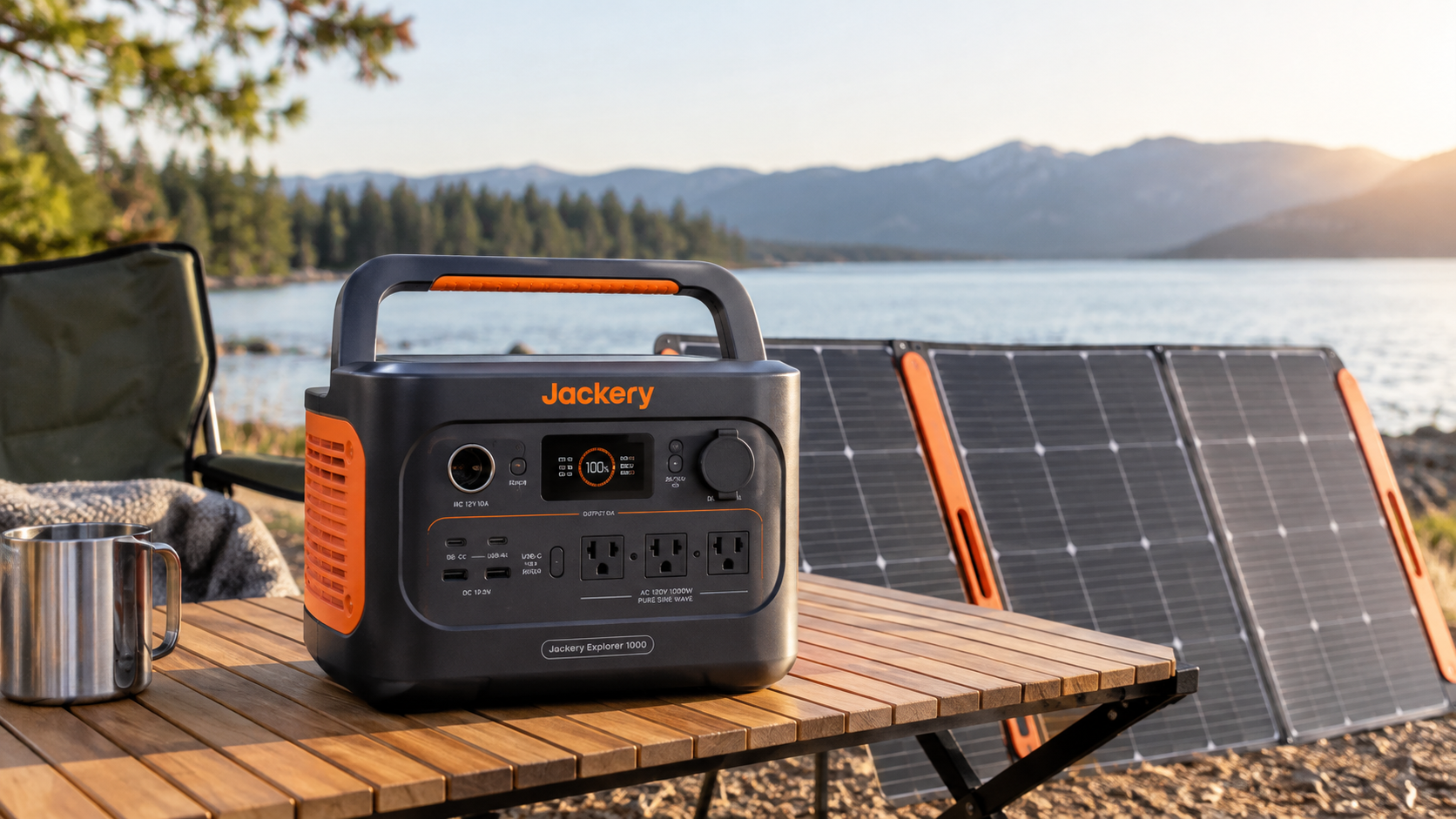
Instead of relying on gasoline or diesel, these systems typically combine a portable power station with solar panels that can recharge the built-in battery using sunlight.
For homeowners, travelers, campers, and anyone preparing for unexpected power interruptions, a solar generator may provide a quieter and more flexible source of electricity.
What Is a Solar Generator and How Does It Work?
A solar generator is a portable energy system designed to collect, store, and deliver electrical power. Most systems include three main components:
- A rechargeable battery
- An inverter
- A solar charge controller
Solar panels can be connected to the generator to collect energy from sunlight. The charge controller regulates the electricity going into the battery, while the battery stores that energy for later use.
When you plug a device into the solar generator, the inverter converts stored battery power into electricity that compatible household electronics and appliances can use.
Many models can also recharge from a wall outlet or vehicle charging port, giving you several charging options when sunlight is limited.
Why You Might Consider a Solar Generator
Solar generators have become useful for more than outdoor recreation. They can support everyday energy needs in several situations.
Backup Power During Outages
A power outage can leave phones, lights, internet equipment, fans, and other important devices unavailable. A sufficiently sized solar generator may help keep selected essentials running until grid electricity returns.
The amount of backup time depends on the generator’s battery capacity and the power consumption of the connected devices.
Camping and Outdoor Trips
Traditional fuel-powered generators may be noisy and require fuel storage. A portable solar generator can provide electricity for:
- Phones
- Cameras
- Laptops
- Portable refrigerators
- Camping lights
- Fans
- Small cooking equipment
Because there is no combustion process during normal battery operation, solar generators can be quieter than conventional fuel generators.
RV and Road Travel
A solar generator can also support RV trips, van travel, and remote work from the road.
You may use one to recharge electronics, operate small appliances, or supplement an existing electrical setup. Foldable or portable solar panels can make recharging easier when you are staying away from electrical hookups.
Emergency Preparedness
A solar generator may help power radios, smartphones, lights, and other essential equipment without requiring a continuous supply of gasoline.
Important Features to Compare Before Buying
Solar generators can differ significantly in capacity, power output, size, and charging capabilities. Looking at several specifications can help you avoid choosing a system that is too small or unnecessarily large.
Battery Capacity
Battery capacity is commonly measured in watt-hours, or Wh.
For example, a 1,000Wh battery theoretically stores about 1,000 watt-hours of energy. Real-world usable capacity may be somewhat lower because of inverter losses, battery management, temperature, and other operating conditions.
Larger batteries generally provide longer runtime, but they may also increase weight and cost.
Continuous Power Output
Power output is usually measured in watts.
The generator’s continuous output indicates how much power it can supply during normal operation.
Small electronics may require relatively little electricity, while appliances such as microwaves, coffee makers, space heaters, or power tools can require much more.
Check the wattage of the devices you plan to use before choosing a generator.
Surge Power
Some appliances temporarily draw more electricity when starting.
Refrigerators, pumps, and certain tools may have a higher startup requirement than their normal operating wattage. A solar generator with sufficient surge capacity may handle these brief increases more effectively.
Solar Input Capacity
Solar input determines how much solar power the generator can accept.
A system capable of accepting higher solar input may recharge faster when paired with enough compatible solar panels and strong sunlight.
Charging time can still vary based on:
- Weather
- Panel angle
- Shade
- Temperature
- Panel wattage
- Battery size
Battery Chemistry
Two common battery chemistries found in portable power stations are lithium-ion and lithium iron phosphate, often called LiFePO4.
LiFePO4 batteries are increasingly common because they can provide long cycle life and good thermal stability. Different battery types may vary in weight, lifespan, cost, and performance.
How Much Solar Generator Capacity Do You Need?
The right capacity depends on what you plan to power and for how long.
Start by listing the wattage of each device.
For example:
- Smartphone charger: about 5–20 watts
- Laptop: about 30–100 watts
- LED light: about 5–15 watts
- Television: about 50–150 watts
- Portable refrigerator: often around 40–100 watts while running
Actual consumption varies by device, so checking the manufacturer’s power rating gives you a more accurate estimate.
You can estimate energy use with this basic calculation:
Device wattage × hours of use = watt-hours needed
If a 60-watt device runs for five hours, it may use about:
60 watts × 5 hours = 300Wh
You should leave additional capacity for energy losses and unexpected usage.
Solar Generator Size Guide
Small Solar Generators
Smaller systems may work well for:
- Phones
- Tablets
- Cameras
- Small lights
- Laptops
These units are often easier to carry and may suit short camping trips or emergency charging.
Medium Solar Generators
Medium-capacity systems may support:
- Portable refrigerators
- Televisions
- CPAP machines
- Fans
- Laptops
- Internet equipment
They can provide a balance between portability and backup capacity.
Large Solar Generators
Larger systems may be suitable for more demanding backup power needs.
Depending on the model and appliance requirements, they may support equipment such as:
- Refrigerators
- Freezers
- Microwaves
- Power tools
- Selected household circuits
Large systems typically weigh more and may require additional solar panels for faster off-grid charging.
How Long Does a Solar Generator Take to Charge?
Charging time depends on the battery capacity, charging method, and maximum supported input.
Wall Charging
AC wall charging is often the fastest and most predictable option.
Some modern portable power stations can recharge relatively quickly from a household outlet, although charging times vary considerably by model.
Solar Charging
Solar charging performance depends heavily on sunlight conditions.
A larger solar panel array can potentially reduce charging time if the generator supports the additional input.
Clouds, shade, seasonal conditions, and panel positioning may significantly affect real-world performance.
Vehicle Charging
Many solar generators can recharge through a vehicle’s 12-volt outlet.
Vehicle charging is convenient during road trips, although it is often slower than wall charging.
Can a Solar Generator Power a Refrigerator?
Many medium and large solar generators can power a refrigerator, but the generator needs enough continuous and surge output.
You should check:
- The refrigerator’s running wattage
- Its starting or surge wattage
- The generator’s battery capacity
- The generator’s maximum output
Refrigerators cycle on and off instead of running continuously, so actual daily energy consumption may vary.
A power meter can help you measure your refrigerator’s real electricity use before selecting a generator.
Solar Generator vs Gas Generator
Both options have advantages depending on the situation.
Solar Generator
A solar generator may offer:
- Quiet battery operation
- No fuel needed during solar charging
- Low routine maintenance
- Indoor use for the power station when operated according to manufacturer instructions
- Multiple charging methods
- Renewable solar charging capability
Its limitations may include slower recharging during poor weather and limited battery capacity compared with continuous fuel-based generation.
Gas Generator
A gas generator may provide:
- High power output
- Long runtime when additional fuel is available
- Fast refueling
However, combustion generators produce exhaust gases and must never be operated indoors, inside garages, or near openings where fumes could enter occupied spaces.
They also require fuel storage and regular maintenance.
Where Can You Use a Solar Generator?
Solar generators can support many situations, including:
- Home backup power
- Camping
- RV travel
- Tailgating
- Remote work
- Outdoor events
- Emergency preparedness
- Photography trips
- Mobile workshops
The best system depends on how much portability and power you need.
Tips for Getting Better Solar Charging Performance
You can improve solar charging efficiency by using a few practical techniques.
Position Panels Toward Direct Sunlight
Solar panels generally produce more electricity when exposed to strong, direct sunlight.
Adjusting the angle throughout the day may improve energy collection.
Avoid Shade
Even partial shading can reduce panel output.
Keep panels away from trees, buildings, vehicles, and other objects that may block sunlight.
Use Compatible Panels
Check the generator’s supported voltage, current, connectors, and maximum solar input before connecting solar panels.
Using incompatible equipment may reduce performance or damage components.
Monitor Battery Levels
Avoid unnecessary power consumption when solar conditions are poor.
Keeping track of remaining capacity can help you prioritize essential devices.
How to Maintain a Solar Generator
Solar generators generally require less maintenance than fuel-powered generators, but proper care may help extend their lifespan.
You should:
- Keep the unit clean and dry
- Store it within the manufacturer’s recommended temperature range
- Avoid exposing it to extreme heat
- Check cables and connectors regularly
- Follow recommended battery storage practices
- Update firmware when supported by the manufacturer
- Recharge the battery periodically during long-term storage
Always follow the manufacturer’s maintenance and safety instructions for your specific model.
Is a Solar Generator Worth It?
A solar generator may be worth considering if you want portable electricity, emergency backup power, or a rechargeable energy source for outdoor activities.
The best value depends on how frequently you expect to use it and which devices you need to power.
Before buying, compare battery capacity, wattage, recharge speed, battery chemistry, weight, solar panel compatibility, warranty coverage, and available ports.
A smaller model might be enough for basic electronics, while home backup applications may require a much larger battery system.
Making Solar Power More Practical for Everyday Use
A solar generator can provide flexible backup and portable power without requiring fuel during battery operation. The right system should match your expected electricity use instead of simply offering the largest battery available.
Calculate the wattage and runtime of your essential devices, compare battery capacity and output, and check the system’s solar charging specifications before making a decision.
Careful planning can help you choose a solar generator that provides practical power for emergencies, travel, camping, or everyday backup needs.