
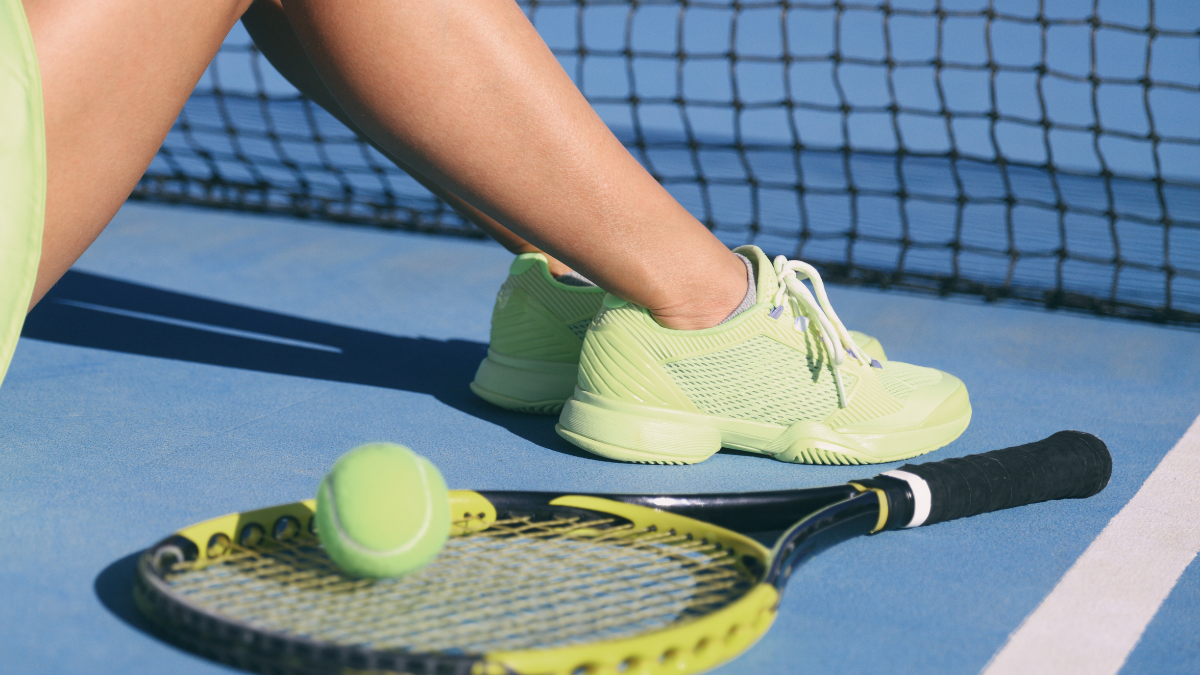
This Guide Helps You Find Tennis Shoes That Fit Properly Today
Tennis shoes can affect your comfort, movement, stability, and confidence on the court. Unlike standard running footwear, they are built to support quick stops, sharp turns, lateral movements, and sudden bursts of speed.
Choosing a pair requires attention to the court surface, fit, cushioning, durability, and playing style. The right information can help you find footwear that feels comfortable from the first serve to the final point.
Why Proper Tennis Footwear Matters
Tennis places repeated pressure on your feet, ankles, and knees. You may sprint toward the net, slide for a difficult shot, or change direction within seconds. Regular athletic footwear may lack the side support needed for these movements.
Shoes designed specifically for tennis usually include reinforced sides, stable outsoles, protective toe areas, and impact-absorbing cushioning. These features can provide:
- Better grip during quick direction changes
- Added support for side-to-side movement
- Protection against repeated court impact
- Improved balance during serves and returns
- Greater resistance to outsole wear
Proper footwear may also reduce unnecessary strain during long practice sessions or competitive matches.
Choose Tennis Shoes Based on Court Surface
Court surface is one of the main factors to check before buying a pair. Each surface creates different traction and durability demands.
Hard-Court Shoes
Hard courts can wear down footwear quickly. Shoes designed for this surface often have durable rubber outsoles, strong toe guards, and added cushioning.
A herringbone or modified herringbone tread can provide reliable traction without restricting movement. Look for reinforced areas if you frequently drag your toes while serving or sliding.
Clay-Court Shoes
Clay-court footwear commonly uses a full herringbone tread. This pattern helps release loose clay and maintain grip during slides.
A close-fitting upper can also prevent clay from entering the shoe. Clay models usually provide controlled traction, allowing you to slide and recover without feeling stuck to the surface.
Grass-Court Shoes
Grass can become slippery, especially when damp. Grass-court footwear typically has small rubber studs or textured outsoles for added traction.
These shoes are designed to grip the surface without damaging the court. Many grass facilities have footwear rules, so check the venue’s requirements before playing.
All-Court Shoes
All-court models are practical if you play on different surfaces. Their outsoles balance traction, comfort, and durability.
They perform well for recreational players who switch between hard and clay courts. Dedicated players may still benefit from owning separate pairs for specific surfaces.
Find the Correct Fit
Your tennis shoes should feel secure without squeezing your toes. An overly loose pair may allow your foot to slide inside the shoe, while a tight pair can cause discomfort, blisters, or pressure around the toenails.
Leave a small amount of space between your longest toe and the front of the shoe. Your heel should remain stable when you walk, run, or change direction.
Try tennis footwear while wearing the same socks you use during matches. Since feet can swell after physical activity, shopping later in the day may help you find a comfortable size.
Understand Your Foot Type
Your foot shape and arch can affect which shoes feel best.
Flat Feet
Flat feet may roll inward during movement. Stable footwear with structured arch support and a firm midsole can help control excessive motion.
High Arches
High arches may place extra pressure on the heel and forefoot. Cushioned shoes can help absorb impact and distribute pressure evenly.
Neutral Arches
Neutral arches generally work well with balanced footwear that combines moderate support and cushioning.
If you frequently experience foot pain, a podiatrist or trained footwear specialist can assess your gait and recommend suitable support.
Match the Shoes to Your Playing Style
Your movement patterns can guide your footwear choice.
Baseline players often move from side to side and may need strong lateral support with a durable outsole. Aggressive players who rush toward the net may prefer lightweight footwear that supports quick acceleration.
Players who slide or drag their toes should look for reinforced toe caps and abrasion-resistant materials. If you play long matches, responsive cushioning and breathable uppers may improve comfort.
Check Cushioning and Support
Cushioning helps reduce the force created when your feet strike the court. Some shoes have soft midsoles for comfort, while others use firmer materials for stability and court feel.
A heavily cushioned model may feel comfortable, though it can seem less responsive. A low-profile design can provide better contact with the court, yet it may absorb less impact.
Look for a balance suited to your needs. Players with sensitive joints may prefer added shock absorption. Fast players may choose firmer cushioning for controlled movement.
Look for Strong Lateral Stability
Running footwear mainly supports forward movement. Tennis requires repeated movement in several directions, making lateral stability especially important.
A wider base can help prevent the foot from rolling during sharp cuts. Supportive side panels may keep your foot centered inside the shoe. A secure lacing system can improve lockdown without placing excessive pressure across the top of your foot.
Test the shoes by moving side to side before wearing them on the court.
Pay Attention to Outsole Durability
Hard courts can damage outsoles faster than clay or grass surfaces. Frequent players should inspect tread depth, rubber thickness, and reinforced high-wear areas.
Some tennis footwear comes with an outsole durability guarantee. Read the terms carefully because coverage periods and replacement requirements can vary.
Rotate between two pairs if you play several times each week. This gives the cushioning time to recover and allows moisture inside the shoes to dry.
Select Breathable Materials
Feet can become warm during long matches. Mesh panels and lightweight synthetic materials help release heat while allowing air to circulate.
Breathability should not come at the expense of support. Very thin uppers may lack the structure needed during aggressive lateral movement. Look for ventilation in areas that do not reduce stability.
Moisture-wicking socks can further help keep your feet dry and reduce friction.
Lightweight Versus Supportive Designs
Lightweight tennis shoes can help you move quickly and feel connected to the court. They may suit agile players who value speed and flexibility.
Supportive models usually have thicker midsoles, stronger uppers, and wider bases. They can benefit players who prioritize stability, cushioning, or durability.
Neither design is automatically better. Your ideal choice depends on your body weight, playing frequency, court surface, and movement style.
Signs That Your Tennis Shoes Need Replacement
Worn footwear may provide less traction, cushioning, and support. Inspect your pair regularly for visible damage.
Common replacement signs include:
- Smooth or uneven outsole tread
- Compressed cushioning
- Torn uppers or loose stitching
- Reduced grip during quick stops
- New foot, knee, or ankle discomfort
- A heel that feels unstable
Frequent players may need replacement footwear sooner than occasional players. Condition matters far more than the number of months you have owned the pair.
How to Care for Tennis Shoes
Proper care can extend the usable life of your footwear. Remove loose dirt after each session with a soft brush or damp cloth. Allow wet shoes to dry naturally in a ventilated area.
Avoid placing them near direct heat, which can damage adhesives and materials. Take out the insoles and loosen the laces to help moisture escape.
Use tennis footwear primarily on the court. Wearing it for daily errands can wear down the tread before your next match.
Choose Footwear That Supports Every Movement
The best tennis shoes provide a secure fit, suitable traction, dependable stability, and enough cushioning for your playing needs. Start with the court surface, then assess your foot type, movement patterns, and comfort preferences.
Try several pairs whenever possible. Walk, bend, and perform gentle side-to-side movements to check heel security and forefoot space. With the right pair, you can move confidently, protect your feet, and stay focused throughout every match