
What Makes Wireless Earbuds Comfortable, Reliable, and Practical for Daily Use
Wireless earbuds have become a convenient choice for listening to music, taking calls, exercising, traveling, and handling everyday tasks without dealing with tangled cables.
With so many wireless earbuds available, choosing the right pair can feel confusing when specifications such as battery life, noise cancellation, Bluetooth connectivity, and water resistance all compete for your attention.
The best option depends on how and where you plan to use them. Someone who exercises regularly may prioritize a secure fit and sweat resistance, while a frequent traveler might care more about noise cancellation and long battery life.
What Are Wireless Earbuds and How Do They Work?
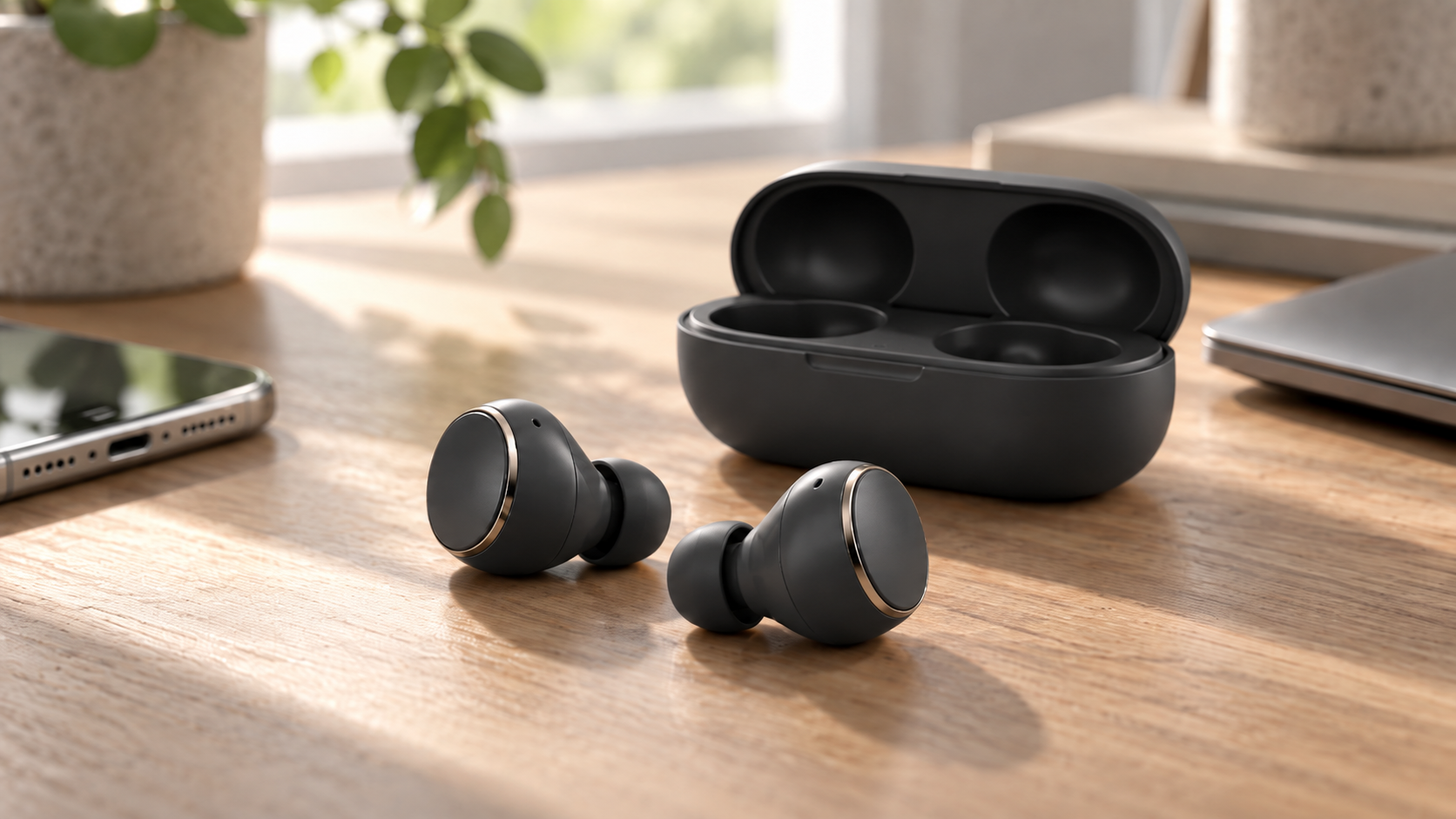
Wireless earbuds are compact audio devices that connect to smartphones, tablets, laptops, and other compatible devices through Bluetooth technology.
Unlike traditional wired earphones, they do not require a physical cable between the earbuds and your device.
Most modern models come with a portable charging case. When you place the earbuds inside the case, their batteries recharge automatically, provided the case still has stored power.
Many wireless earbuds also include touch controls or physical buttons that allow you to:
- Play or pause music
- Change tracks
- Adjust volume
- Answer and end calls
- Activate voice assistants
- Switch between listening modes
- Control noise cancellation
The specific features vary depending on the model, making it important to compare more than appearance alone.
Why Wireless Earbuds Are Popular for Everyday Listening
Convenience is one of the biggest reasons wireless earbuds have become so common. Their compact size makes them easy to carry, while Bluetooth connectivity allows you to move more freely during everyday activities.
You can use them while commuting, walking, cleaning, exercising, studying, or working without worrying about cables getting caught on clothing or equipment.
Another advantage is portability. Most charging cases fit comfortably inside a pocket or small bag, making wireless earbuds practical for travel and daily use.
Modern designs may also provide improved microphones, clearer audio, longer battery life, and features that were once limited to larger headphones.
Sound Quality Matters When Choosing Wireless Earbuds
Sound quality should be one of your main considerations when comparing earbuds.
Different models can produce noticeably different sound profiles. Some emphasize bass, while others provide more balanced audio with clearer vocals and detailed high frequencies.
Several factors influence sound quality, including:
- Driver design
- Audio tuning
- Bluetooth codec support
- Ear tip seal
- Equalizer settings
- Device compatibility
A proper seal inside your ear can make a particularly noticeable difference. Earbuds that fit securely may provide stronger bass and better isolation from outside noise.
Some companion apps also let you adjust the equalizer, allowing you to customize the sound based on your preferences.
Consider Battery Life for Your Daily Routine
Battery life varies considerably among wireless earbuds.
Some earbuds are designed for several hours of continuous playback, while the charging case can provide additional charges before it needs to be connected to a power source.
When comparing battery specifications, look at both:
- Earbud listening time
- Total battery life with the charging case
Keep in mind that features such as active noise cancellation, higher volume levels, and frequent phone calls may reduce actual battery life.
If you regularly travel or spend long periods away from a charger, longer total battery capacity may be especially useful.
Active Noise Cancellation Can Improve Listening Comfort
Active noise cancellation, commonly known as ANC, uses microphones and audio processing to reduce certain types of background noise.
It can be particularly helpful in environments such as:
- Airplanes
- Trains
- Offices
- Cafes
- Public transportation
ANC generally works best with consistent low-frequency sounds such as engines, ventilation systems, or road noise.
However, it does not necessarily eliminate every sound around you. Voices and sudden noises may still remain audible.
Comfort and Fit Should Be a Priority
Even excellent sound quality may not matter if your earbuds feel uncomfortable after a short period.
Ear shape differs from person to person, so finding a comfortable fit is important. Many wireless earbuds include several silicone ear tip sizes to help you find a better seal.
When evaluating comfort, consider:
- Earbud size
- Weight
- Ear tip material
- Shape
- Stability during movement
For exercise, a secure fit becomes even more important. Earbuds that constantly loosen or fall out can quickly become frustrating.
Some sport-focused models use ear hooks, wings, or specialized shapes to improve stability.
Water and Sweat Resistance Can Protect Your Earbuds
If you plan to use wireless earbuds while exercising or spending time outdoors, check their resistance rating.
Many models use an IP rating to indicate their level of protection against water and dust.
For example, certain earbuds may tolerate sweat, light rain, or occasional splashes. However, water resistance does not automatically mean they are safe for swimming or full submersion.
Always check the manufacturer’s specifications before exposing earbuds to water.
It is also worth remembering that charging cases often have different protection ratings than the earbuds themselves.
Bluetooth Connectivity Affects Your Listening Experience
Reliable Bluetooth connectivity helps prevent annoying interruptions, audio drops, or pairing problems.
Newer Bluetooth versions may provide improvements in areas such as energy efficiency, connection stability, and compatibility.
Some earbuds also support multipoint connectivity, allowing them to remain connected to more than one device.
This feature can be particularly convenient if you frequently switch between a laptop and smartphone. For example, you might listen to music from your computer and then answer a phone call without manually disconnecting your earbuds.
Microphone Quality Is Important for Calls
If you frequently use earbuds for phone calls, video meetings, or voice messages, microphone performance deserves attention.
Wireless earbuds may use multiple microphones and software processing to help separate your voice from surrounding noise.
However, microphone quality can vary significantly depending on environmental conditions.
Quiet indoor spaces typically produce clearer results than windy streets or crowded public areas.
If calls are one of your main uses, consider looking beyond general audio specifications and checking how well the microphones perform in real-world environments.
Touch Controls Add Convenience
Many wireless earbuds include touch-sensitive surfaces that allow you to control important functions without reaching for your phone.
Typical controls may include:
- Single tap to play or pause
- Double tap to skip tracks
- Long press to change listening modes
- Swipe to adjust volume
Some models allow you to customize these controls through a companion app.
Responsive controls can make everyday use more convenient, although overly sensitive touch panels may sometimes cause accidental commands.
Wireless Earbuds Can Be Useful for Exercise
When selecting earbuds for workouts, consider features such as:
- Secure fit
- Sweat resistance
- Lightweight design
- Easy controls
- Stable Bluetooth connection
- Comfortable ear tips
You may also want an ambient sound mode if you exercise outdoors.
Being able to hear traffic, cyclists, or other people around you can be important when running or walking near roads.
Charging Features Can Make Daily Use Easier
Charging convenience is another factor worth comparing.
Most wireless earbuds charge through USB-C, while some cases also support wireless charging.
Fast-charging features may provide additional listening time after only a short period inside the case.
This can be helpful when you realize your earbuds are nearly empty just before leaving home.
When comparing charging options, consider how well they fit your existing devices and charging accessories.
Companion Apps Can Provide Extra Features
Some wireless earbuds work with dedicated mobile apps that allow you to adjust settings and update firmware.
Depending on the model, an app may provide:
- Equalizer controls
- Noise cancellation settings
- Touch control customization
- Battery information
- Earbud location tools
- Firmware updates
- Sound personalization
These features are not essential for everyone, but they can make earbuds more flexible and easier to customize.
How Much Should You Spend on Wireless Earbuds?
Wireless earbuds are available across a wide range of prices.
Budget-friendly models can provide basic Bluetooth listening and calling features, while higher-priced options may include stronger noise cancellation, advanced audio processing, premium materials, better microphones, and additional software features.
Instead of automatically choosing the most expensive option, focus on the features that matter most to you.
For example, you may not need advanced active noise cancellation if you mainly listen to podcasts at home. On the other hand, frequent travelers may find that feature far more valuable.
Features to Compare Before Buying Wireless Earbuds
Before choosing a pair, compare the following features:
- Sound quality
- Battery life
- Charging case capacity
- Active noise cancellation
- Transparency mode
- Water resistance
- Bluetooth version
- Multipoint connectivity
- Microphone performance
- Ear tip options
- Touch controls
- Companion app features
- Device compatibility
Creating a short list of your priorities can make comparing different models much easier.
Common Mistakes to Avoid When Choosing Earbuds
One common mistake is focusing only on price.
A lower price does not necessarily mean poor quality, and a higher price does not guarantee the best fit for your needs.
Another mistake is ignoring comfort. Specifications may look impressive, but uncomfortable earbuds may end up staying in a drawer.
You should also avoid assuming every water-resistant model can handle swimming or heavy water exposure.
Finally, check compatibility with your existing devices, especially if you want access to advanced Bluetooth features or manufacturer-specific functions.
Choosing the Right Wireless Earbuds for Your Everyday Needs
If you mainly listen during workouts, prioritize a secure fit and sweat resistance. If you commute frequently, noise cancellation and long battery life may matter more.
For calls and remote work, microphone performance and multipoint Bluetooth connectivity can be especially useful.
By focusing on the features that support your daily habits instead of simply comparing specifications, you can find wireless earbuds that provide a more comfortable and practical listening experience.